


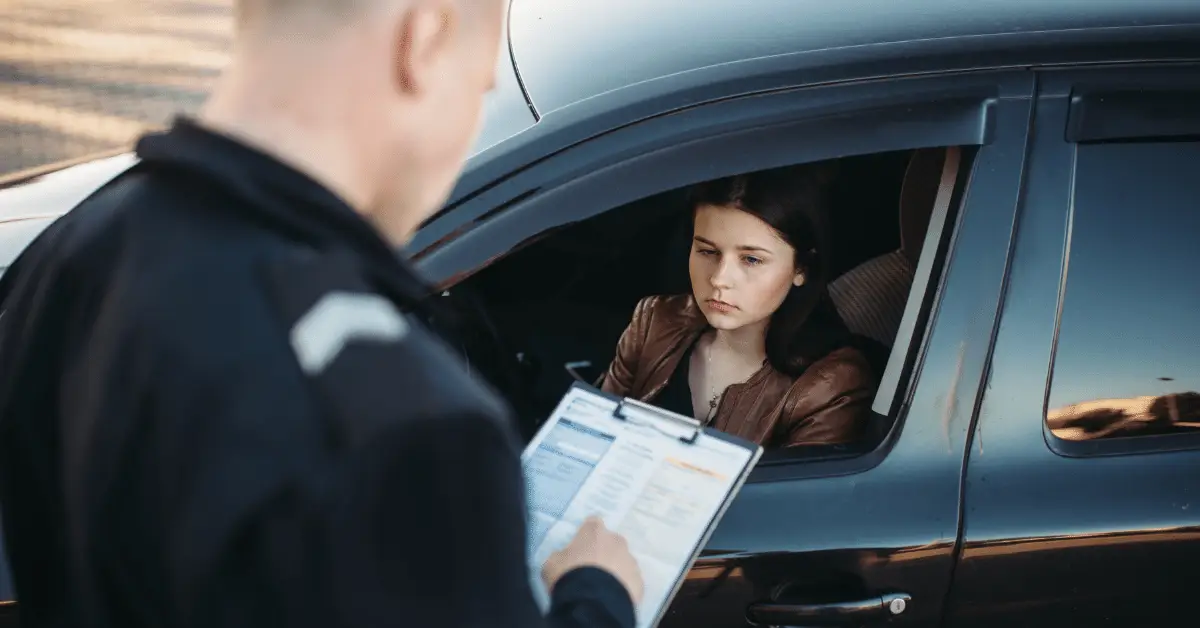
Most drivers already know that when they drive in Romania or abroad, they can expect traffic fines if they break the law. Some break the rules knowingly, others out of ignorance, and the fine arrives promptly almost every time, which is why many drivers want to find out where to pay traffic fines received abroad.
Especially when driving abroad, problems can mean not just receiving the fine itself, but various other important consequences as well. Those who have been in this situation, whether driving a personal car or one belonging to their employer, recommend that everyone pay the fine quickly, both to avoid an increase in the amount and to take advantage of the option to pay only half of the amount due.
In the article below, you'll find out where to pay traffic fines received abroad, along with some practical solutions and tips for paying them much more easily, especially for hauliers with dozens of employees driving through many countries around the world.
1. Where to pay traffic fines received abroad
Anyone who chooses to drive abroad should be prepared for the possibility of receiving a fine for violations on public roads. In the European Union, legislation requires each country to recognize and enforce the traffic penalties of other member states, and the fine issued to the driver will certainly arrive in due time, by mail, at their home address. The notice will include the amount and how the driver can pay it.
Traffic fines received in countries outside the European Union can be paid on the spot or by postal money order. It is best to pay them in the country concerned, thereby avoiding various problems that could arise at the border or possible penalties.
However, for these countries it is useful to know the legislation on paying fines, as there is no common standard.
For example, in the United Kingdom, those who break traffic laws no longer receive the fine at home by mail, because the country is no longer part of the European Union. The payment deadline is 28 days, and the amount may be reduced if the fine is paid within 14 days.
Most fines can be paid online, but other payment methods are available as well. Another example is paying a fine in Turkey. The fine can be paid online, but also at a bank, at tax offices, or at accredited institutions. It is important to know that payment can also be made at the border.
2. Practical solutions and tips for easily paying traffic fines received abroad
Hauliers and companies with dozens of employees driving through many countries must consider the easiest solutions for paying the traffic fines received by their drivers. One of the most common issues they face relates to Road toll payments, which is often completely overlooked.
An excellent solution is a ticketing system, which calculates the costs and pays them directly from the user's account. This way, hauliers avoid fines by quickly and easily paying exactly the amount they owe on international roads. Other benefits of this system include:
- you pay only for the distances traveled;
- the user's account balance is checked continuously;
- it allows you to change routes without depending on road tolls;
- the route is recorded and road tolls are paid automatically.
More and more countries around the world have started using video cameras to monitor traffic, so driver mistakes are not easily overlooked. If a traffic violation is recorded, the fine can become a harsh reality, depending on the amounts involved. Fines can be paid in cash, by bank transfer, or by card, sparing the driver the need to exchange currency.
In conclusion, paying traffic fines abroad is fairly simple when it comes to the European Union, but the situation changes if the driver receives such a fine outside this area.

Where to Pay Traffic Fines Received Abroad – Questions and Answers
How do I find out where to pay traffic fines received abroad?
Generally, the violation report or the fine decision shows the issuing authority's details and the payment method: website, bank account, or payment counter. If the fine was sent to your home address, the document contains instructions on where and how to pay it.
Can I pay a fine received abroad online, from Romania?
Yes — many fines in Europe can be paid online, even after you have returned home. Online payment is one of the simplest methods, especially if you have been identified as the vehicle owner.
If the fine arrives by mail, what payment options do I have?
In this case, you can usually pay by bank transfer, at bank counters, or at designated tax offices — the payment details are provided in the letter you receive.
Are there situations when you have to pay the fine immediately, “on the spot”?
Yes — in some countries, for certain penalties (usually violations detected directly), on-the-spot payment is possible at the time of the penalty, but this depends on the legislation of the country concerned.
What happens if I don't pay a fine received abroad?
If the fine remains unpaid, the authorities in the issuing country may initiate enforcement proceedings or request that the debt be transferred to your home country (if the law allows), which can result in additional penalties.
Can I pay a fine received abroad even if the vehicle is registered in another country (or I live elsewhere)?
Yes — EU legislation allows data exchange between countries to identify drivers or owners. This means the issuing authority can send the fine and payment instructions regardless of where you live.
Is there a deadline for paying a fine received abroad?
Usually yes — the violation report or notice specifies the deadline for payment (e.g., 28 days), and in some countries prompt payment can reduce the amount of the penalty.
If I haven't received the fine but was caught on camera (e.g., speeding, rovinieta), what can I do?
Check whether the authorities of the country concerned have your details, and keep an eye on your mail — you may receive the notice at home; if not, you can contact the issuing authority or check online whether electronic delivery is available.
Can I pay a fine received abroad in lei, or does it have to be in the local currency?
It depends on the payment method indicated. If payment is made by international transfer or to an IBAN account, the issuing country's currency is usually accepted, but some online systems offer a currency conversion option. It is important to follow the payment instructions exactly. (based on practices described in sources)
Is it worth paying a fine received abroad even if it seems minor — why shouldn't I ignore it?
Yes — if the fine is not paid, penalties can accumulate, it can lead to enforcement proceedings, or there may be consequences when re-registering the vehicle or with your insurance. In the long run, it is wiser to pay it as quickly as possible.





