


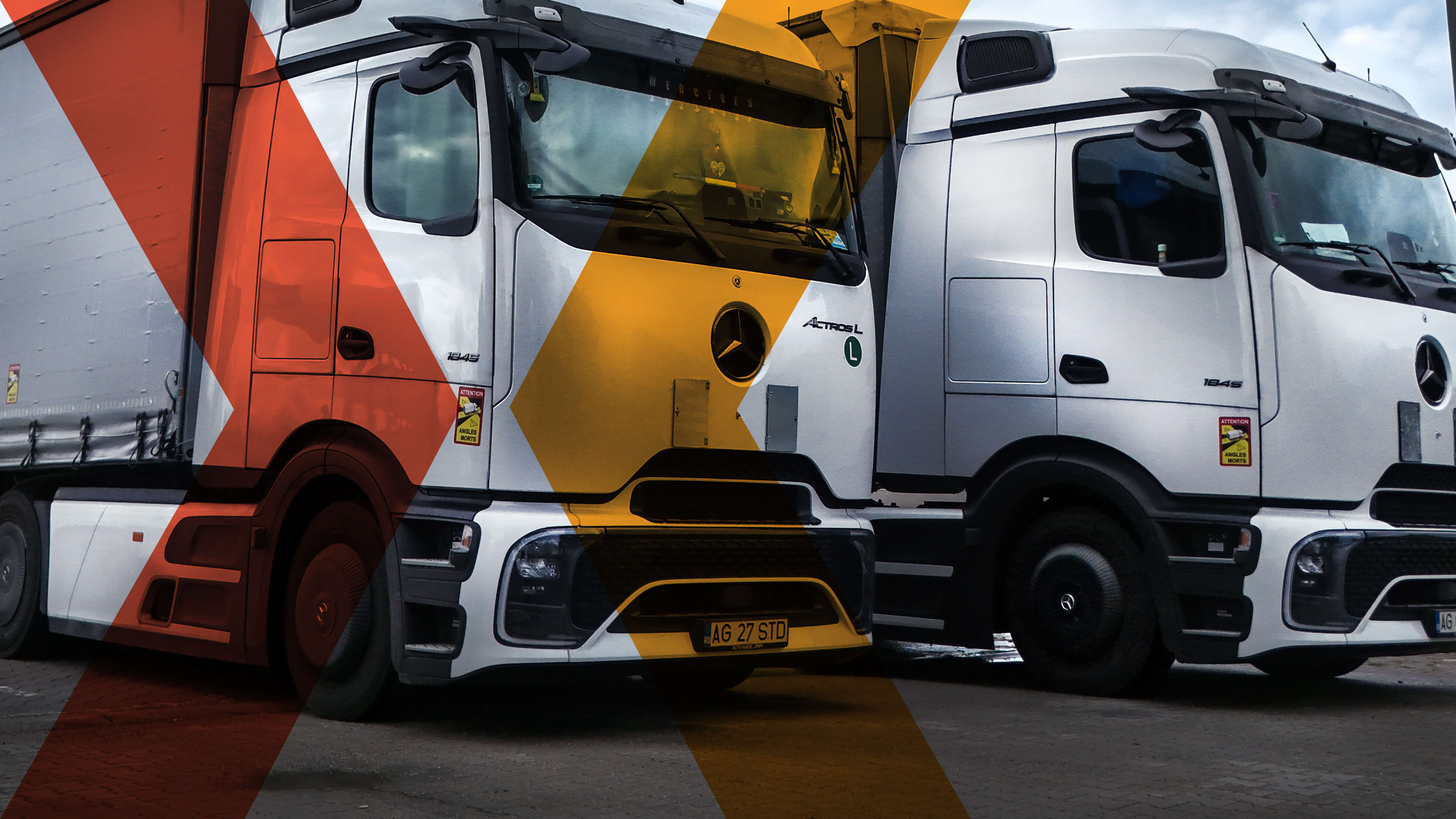
At first glance, the two ads seemed almost identical. The same salary level, community races, employment contract, and benefits were presented in a similar form. For a driver looking for a new job, the choice seemed simple. However, after the first month of employment, the differences began to become apparent. In one company, the schedule was organized efficiently, communication with the dispatchers was clear, and any technical problems were resolved quickly. In the other, route changes frequently appeared without clear planning, waiting periods lengthened, and important information reached the driver late. These situations explain why professional experience is not solely defined by the salary mentioned in the job advertisement. Income remains an important criterion, but the way the work is organized influences every day spent on the route.
We are in 2026, and drivers have access to multiple online or offline sources of information. Professional drivers analyze a much more carefully the offer of an employer. The questions are not limited to the drivers„ salaries, but also include the duration of rotations, time spent at home, the type of trucks, the organization of the routes, and the support received during the activity. These details contribute to building a stable collaboration and choosing a long-term employer. An example that I have seen at a top employer, namely the transport company Agexim, in the ”Financial Package” section:
- · up to 3534 € / month as a C+E driver only on the community
- · + 15 € per crossing in the UK
- · + Performance bonus of up to 93€/month
- · + Seniority bonus after the first 6 months
Source: Agexim.ro/jobs-and-recruitments-for-drivers
Income is important, but work experience is built day by day
Salary is one of the first aspects analyzed in a job offer. This is natural, because it reflects the financial value of the work performed and influences the initial decision. However, after starting work, there are elements that cannot be expressed in a single figure. The way routes are planned, compliance with the established schedule, and communication between the driver and the company influence the work rhythm and the level of professional comfort.
A driver who knows in advance the duration of the rotation and the period during which he/she returns home can better organize his/her personal life. Similarly, a well-planned schedule reduces unforeseen situations and contributes to the activity being carried out in a predictable manner. In the analysis of a community TIR driver salary offer, aspects such as:
- · the method of calculating and paying income;
- · transparency regarding the daily allowance and other benefits;
- · duration of rotations;
- · compliance with driving and rest times;
- · the stability of the work schedule.
This information allows for the most accurate comparison between two offers that, at first glance, appear similar.
The fleet and the company's organization influence the activity of each race
The truck represents the place where the driver spends a large part, in fact the majority, of their time. The vehicle’s technical condition and the way it is maintained contribute both to safety and to the efficient running of races. Companies that constantly invest in their fleet reduce the risk of unplanned stops and facilitate the compliance with delivery deadlines.
Equally important is the way unforeseen situations are managed. Any transport activity can be influenced by traffic, weather conditions, traffic restrictions or technical problems. The difference is made by the speed with which the company identifies solutions and communicates them to the driver.
In a well-organized team, the driver benefits from:
- · permanent support from the dispatcher;
- · routes planned effectively;
- · quick interventions when technical problems arise;
- · clear communication regarding program changes;
- · support in solving administrative situations.
These aspects reduce the level of stress and allow for better performance of the activity. Technology also plays an important role. Modern navigation systems, digital platforms for document transmission, and applications used for communication with the dispatching center simplify daily work and reduce the time spent on administrative operations.
Respect and seriousness are evident in every stage of the collaboration
The first impressions about an employer are formed even during the recruitment process. Clear information, complete answers and an honest presentation of the working conditions create trust and allow the driver to make a decision based on realistic expectations. The same transparency must continue after signing the contract. Payment of income according to the agreed terms, compliance with the conditions discussed at hiring, and open communication contribute to building a strong professional relationship.
Drivers appreciate companies where the promises made during the recruitment stage are kept and also after the start of operations. This is reflected in numerous details, such as:
- · the correct programming of the courses;
- · compliance with rest periods;
- · quick communication when changes occur;
- · support provided in difficult situations;
- · collaboration based on mutual respect.
These elements do not always appear in a job advertisement, but they decisively influence subsequent professional experience.
A good offer means the prospect of a stable collaboration
Companies that manage to retain professional drivers for long periods have understood that recruitment is the beginning of a relationship, not the end of the process. A stable team is built through organization, seriousness and constant communication. Drivers choose to stay where they find predictability, respect and conditions that allow them to carry out their work without permanent uncertainties.
At the same time, employers gain experience, continuity, and a team that is very familiar with the company’s way of working. For this reason, the comparison between two offers should not start and end with the salary. Income represents an important part of the decision, but the complete picture is built from many other aspects: the organization of races, the quality of the fleet, communication with the team, compliance with commitments, and the way the driver is supported at every stage of their work.
In the end, the difference between two jobs becomes visible after the first few weeks spent on the road. Then it becomes clear whether the promises in the job posting are supported by the way the company operates. Long-term, sustainable collaboration is not built solely on the salary level, but on the trust that forms between the driver and the employer, on the efficient organization of work and on the respect shown to those who contribute day by day to the international transport operation.





