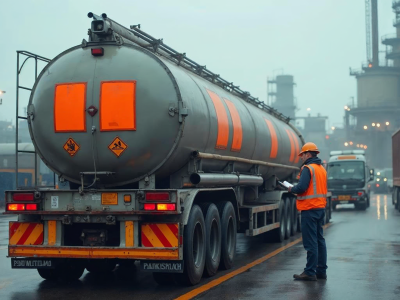

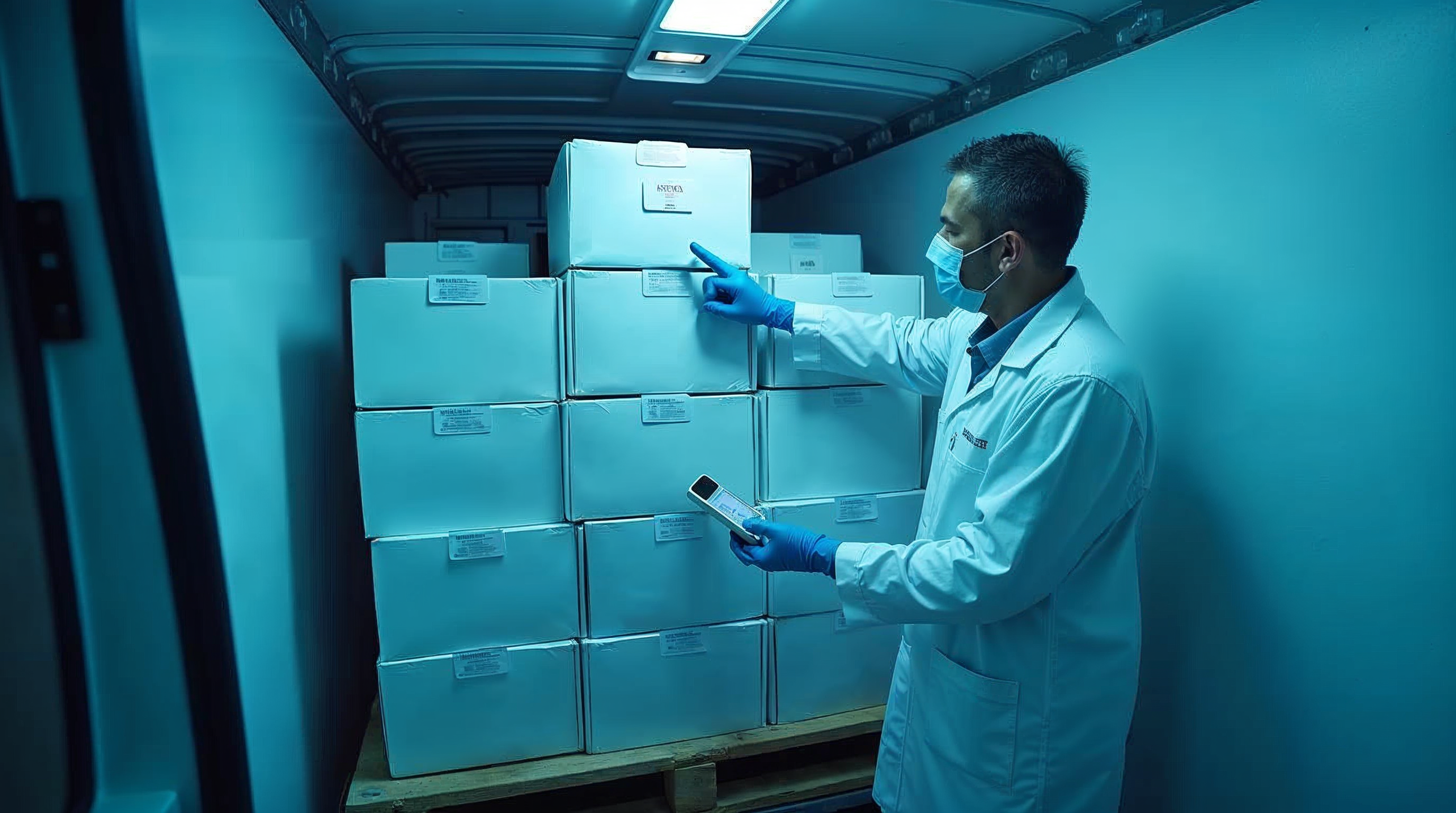
Read on to learn what the requirements for transporting medicines are.
Transporting pharmaceutical products is an extremely important process that must be built on well-established and well-organized logistics. The regulations in force must be thoroughly understood and strictly followed. This is not only a legal requirement but also good practice for maintaining a positive business image with partners.
Medicine transport – what fleet managers need to keep in mind
Operators offering medicine transport services need to keep several objectives and rules in mind. Besides the necessary specific documentation, product safety is extremely important.
In practice, theft, counterfeiting, damage or contamination must be prevented, and these are clear responsibilities of the distributor.
The same goes for providing special spaces that keep optimal temperatures and humidity within the recommended parameters, according to the manufacturers’ needs.
During transport, it is also important to store these medicines according to the instructions received, where applicable. Any conditions that could expose the products and affect both their contents and packaging must be avoided entirely.
There are also cases where medicines must be transported under special conditions, according to the manufacturers’ instructions.
This means the haulier is required to have a fleet properly equipped for such products. This refers to vehicles with an optimal interior temperature that can be controlled when needed.
What’s more, concrete records on vehicle maintenance and cleaning are required. Safety measures must be taken seriously. To maintain them, any temporary storage must be kept to a minimum.
If, during transport, the products are exposed to a risk or the temperature limits are exceeded, the distributor and the recipient of the medicines must be notified so that tests can be carried out to determine the quality of the products.
Cold-chain medicine transport – how to keep the process under control

If you are a fleet manager about to carry out a medicine transport, you probably already know that you are responsible for making sure that every vehicle and every piece of storage, handling and distribution equipment is properly suited to the job.
Your first and most important responsibility is to stay in control of the temperature in the refrigerated containers at all times. Because anything can happen, you must be ready to fix every problem.
You can do this through temperature monitoring, a sensor offered by CargoTrack with very high accuracy. This way, you will be notified automatically when errors occur and be able to make quick decisions that help keep the medicines at the optimal temperature.
Monitoring your vehicles as accurately as possible is also extremely important. You can know exactly the loading and unloading times, the routes driven, the stops made and many other details you consider important.
It is never too late to turn to a premium GPS monitoring package, because it offers you plenty of benefits. You can monitor your vehicle fleet down to the smallest detail and analyze driving times, routes and orders or tachograph schedule violations, and more.
This package is highly comprehensive and covers all of your fleet’s operational needs. Its main advantage is that it can be configured to become your own virtual assistant.
So these are the main things fleet managers need to consider when it comes to the requirements for transporting medicines. Monitoring your own fleet will bring you one step closer to success and to a company that runs more safely and more easily.
Learn more about Medical and Pharmaceutical GPS monitoring systems.
Questions and answers – Medicine transport
1. What rules must medicine transport follow in Romania and Europe?
When it comes to transporting medicines, there are fairly clear rules you must follow. They are set out in the Good Distribution Practice (GDP) guidelines – essentially a set of standards on how medicines must be handled, monitored and documented throughout transport. These requirements apply equally in Romania and in other EU countries.
2. Why does temperature matter so much in medicine transport?
It’s simple: temperature can make the difference between an effective medicine and one that no longer works as it should. If you expose it to temperatures higher or lower than the manufacturer recommends, it may lose its properties or even become dangerous for the person using it.
3. What are the standard temperatures for transporting medicines?
Usually, there are three main ranges: refrigerated below 8°C, room temperature around 20-25°C, or other special conditions, depending on the medicines you are transporting. Each product comes with its own clear specifications.
4. Does humidity need to be monitored as well as temperature in medicine transport?
Yes, absolutely. Transport vehicles must have systems that constantly monitor temperature and, when necessary, humidity as well. That way you can prove at any time that the medicines were kept in proper conditions throughout the journey.
5. What do you risk if you don’t comply with medicine transport requirements?
If you ignore GDP requirements, the consequences can be serious: fines, confiscation of the goods or even loss of your license. Pharmaceutical legislation, at both national and European level, takes these matters seriously.
6. Do you need special certificates to transport medicines?
Yes, it’s not like transporting any other product. Companies that handle this must be GDP-certified and hold all the authorizations required for pharmaceutical distribution under Romanian law.
7. Can any vehicle be used for medicine transport?
Not really. You need specially equipped vehicles: well insulated, with a temperature control system and monitoring devices. If a particular medicine has special requirements, you must make sure you can meet them throughout the route.
8. What do you do if the temperature exceeds the permitted limits during transport?
You need to act quickly. Notify the distributor and the recipient immediately, and the products must be checked by specialists to see whether they have been compromised and whether they can still be used safely.
9. Can you load medicines together with other products in the same vehicle?
It is not recommended to mix medicines with products that could contaminate them – such as unpackaged food or hazardous substances. The safety and quality of medicines must be the number one priority.
10. How often should monitoring devices be checked?
Equipment that measures temperature and humidity must be calibrated periodically, exactly as GDP standards require. And of course, all calibrations must be documented and kept as proof that everything is in order.