In short: digitalizing a transport company happens in stages, not all at once. The most accessible first steps are GPS vehicle tracking, automatic notifications for vehicle inspections (ITP), mandatory liability insurance (RCA) and services, and moving transport documents to digital format. Next come trip planning, automatic tachograph data download, invoicing and profitability reports. Existing legal obligations — RO e-Factura, RO e-Transport, periodic tachograph data download — make the transition inevitable anyway.
Digitalizing and modernizing businesses is no longer something new. More and more companies want to take concrete steps in this direction and improve their internal processes.
The transport industry is no exception. More and more hauliers want to change the way they work, gradually integrating digital solutions that simplify their business and give them better control over operations.
Why is digitalization needed?
A company’s growth doesn’t just mean higher profits — it also means working more efficiently. Digitalization makes it possible to automate many tasks that used to be done manually and took up a lot of time.
A concrete example: many hauliers still use planners or sheets of paper to track due dates for technical inspections, tire changes or policy expirations. All of this information can be centralized in a digital system that automatically sends notifications before the deadlines expire.
Digitalization helps build a more organized business. Employees no longer have to waste time on repetitive tasks and can focus on the activities that truly matter.
A transport company involves numerous expenses — from fuel and road tolls to insurance. These costs have risen significantly in recent years and continue to grow.
At the same time, the driver shortage is an increasingly pressing problem. The driver is the key element in a transport company — without them, the goods can’t reach their destination. This difficulty isn’t specific to Romania; it exists across Europe.
Unfortunately, digitalization is often seen as expensive and unnecessary. In many companies, the only form of “digitalization” is the use of Excel files and printed documents.
This reluctance doesn’t come from a lack of opportunities, but rather from the difficulty of accessing them quickly, simply and efficiently.
What are the challenges?
Any change is initially met with reluctance. But even if adapting can be difficult, in most cases it’s worth the effort.
In the transport sector, digitalization wasn’t a priority until recently, but things are gradually starting to change. More and more hauliers are becoming aware of both the need for this transition and the benefits it brings.
Here are some of the challenges that can hold back digitalization:
1. High upfront costs and an ROI that’s hard to estimate
Implementing a high-performance TMS or AI-based solutions requires significant investment. The benefits appear over time and aren’t always easy to measure right away.
2. Resistance to change
– Employees are used to traditional ways of working.
– There is a fear that they’ll “be replaced by technology” or that they “won’t know how to use the new systems.”
– Managers may see digitalization as a “fad” or an “unnecessary complication.”
3. Lack of a clear digital vision
– Many companies start digitalizing just so they “don’t fall behind,” without a well-defined plan.
– It’s not clear what should be digitalized, why it’s necessary, or how it will affect the business.
4. Difficulties integrating with existing systems
– Some companies already use ERPs, invoicing solutions or CRMs.
– Effective digitalization doesn’t mean completely replacing these systems, but integrating them into a functional ecosystem.
– Companies don’t need to completely change the way they work, but rather find technology solutions tailored to their own needs.
5. Data security
– Digitalization involves managing a large volume of sensitive data (customers, routes, rates).
– Companies must be prepared for potential cyberattacks or data loss.
– In addition, more and more data protection regulations are emerging, and the transport sector is considered a high critical-risk sector.
Where can you start digitalizing your transport company?
1. Order intake
a. Customer orders captured automatically (via API, online forms, automatic email processing)
2. Trip planning and allocation
a. Automatic assignment of vehicles and drivers based on capacity, route and remaining driving time
3. Transport monitoring
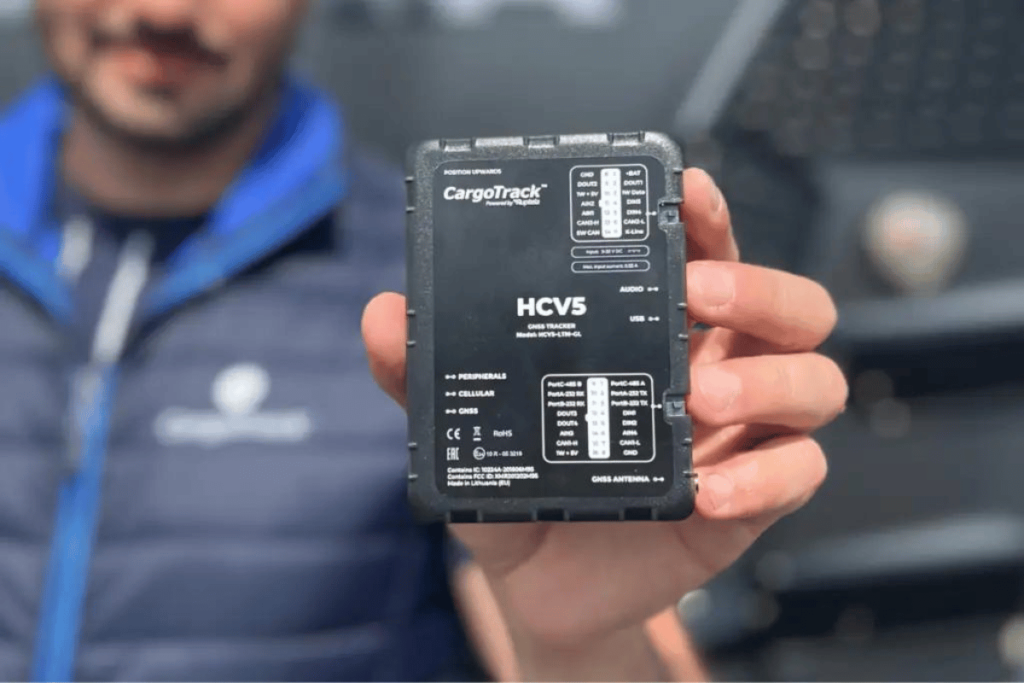
a. Real-time GPS tracking
b. Tachograph data download and working time analysis
c. Fuel consumption and driving style monitoring
d. Automatic alerts for route deviations, unplanned stops or delays
4. Document management
a. Invoices, CMRs, delivery notes, trip sheets — fully digitalized
b. Electronic signatures and automatic archiving
c. Automatic document generation from the system
5. Fleet maintenance
a. Automatic notifications for services, liability insurance (RCA) and inspections (ITP)
b. Complete service history and maintenance cost calculation
c. Digital management of each vehicle’s documents
6. Driver management
a. Working time planning
b. Performance evaluation (scoring, KPIs)
c. Electronic timekeeping and digital trip sheets
7. Invoicing and accounting
a. Automatic invoicing at the end of the trip
b. Integration with ERP or external accounting services
c. Automatic verification of tax data (ANAF, VIES)
8. Reports and analytics
a. Profitability per trip, customer, vehicle or driver
b. Comparison of estimated vs. actual delivery time
c. Automatic generation of key performance indicators (KPIs)
9. Security and compliance
a. Automatic data backup
b. Compliance with GDPR and NIS2 requirements
c. Access control to information through roles and permissions
10. Customer and partner relations
a. Dedicated customer portal: transport status view, document download
b. In-app chat or messaging system
c. Post-delivery feedback collection
Digitalization shouldn’t be a rushed process done just to “check the box” on change. Even if the transition takes longer, it’s essential to train your employees and clearly explain why the new solutions are being implemented. Modernizing a business doesn’t mean layoffs — it means working more efficiently and making better use of resources.
You can start small — for example, GPS vehicle tracking or getting ready for e-Transport. Over time, you’ll adapt and see how much digitalization contributes to a more organized, more efficient and more competitive business.
Frequently asked questions about digitalizing transport companies
What is a realistic first step in digitalizing a small transport company?
The realistic first step is GPS vehicle tracking, together with centralizing administrative deadlines — vehicle inspections (ITP), liability insurance (RCA), services, driver document expirations — in a system that sends automatic notifications. These two functions can be implemented quickly, don’t require changing how the whole team works, and deliver immediately visible results by controlling fuel consumption and eliminating situations where a truck is on the road with an expired document.
How much does it cost to digitalize a small transport company?
The cost depends on the number of vehicles and the modules you choose, so there’s no single price that applies to everyone. In practice, digitalization happens in stages: you start with GPS tracking and document management, then add trip planning, invoicing and reports. A modular approach splits the investment into small installments and lets you measure fuel and administrative time savings before moving on to the next step.
What legal obligations already require digitalization in road transport in Romania?
There are several. Invoices issued between companies go through ANAF’s RO e-Factura system, and shipments of goods with high fiscal risk are declared in RO e-Transport, with vehicle positioning data transmitted. In addition, Regulation (EU) No 581/2010 requires operators to download data from the driver card at least once every 28 days, and data from the vehicle unit once every 90 days.
How long does it take to implement a GPS fleet tracking system?
Installing the equipment and setting up accounts are quick operations that depend on fleet size and vehicle availability for installation. The longer part isn’t the technical side but the organizational one: training dispatchers, setting up the alerts that really matter, and getting the team used to the reports. A system becomes truly useful once enough data has accumulated, when comparisons between trips, vehicles and drivers start to make sense.
How do you get drivers and dispatchers to accept new digital systems?
By explaining in concrete terms how it benefits them, not just the company. Digitalization eliminates manually completed trip sheets, late expense reports and repeated phone calls about the truck’s location. A gradual rollout helps, with hands-on training and a colleague designated to answer questions. The key message is that modernization doesn’t mean layoffs — it means eliminating repetitive tasks and making better use of working time.
Is GPS monitoring of vehicles and drivers legal in Romania?
Yes, if it’s done correctly. The vehicle is company property, and tracking it for business purposes is allowed, but the data generated can be linked to a person, so it falls under the GDPR. The employer must inform drivers in writing about the purpose of the monitoring, limit data collection to working hours and the stated purpose, set a data retention period and restrict access to the data.
What security risks arise when you move fleet management to digital systems?
The main risks are data loss, unauthorized access to sensitive business information — routes, rates, customers — and cyberattacks on the software provider. The basic measures are automatic backups, individual accounts with roles and permissions, two-factor authentication, and checking how the provider stores and protects data. Road transport is among the sectors covered by European cybersecurity regulations, so the requirements will become stricter.