


In the transportation industry, choosing the right vehicle to transport cargo is a crucial step. Each type of cargo has specific requirements, and carriers must be very careful when choosing the appropriate vehicle. Whether you’re transporting freight, a large load, or refrigerated cargo, you need to ensure you have the right vehicle for the job. Also, when it comes to international transportation, choices sometimes become even more complex due to legal regulations and road conditions.
In this article, we will explore the different types of vehicles used for transportation, from standard trucks to specialized vehicles for perishable or bulky goods. Here’s what you should know about each of them.
Freight transport – Standard truck
We start with the most common type of vehicle used in freight transportation: the standard truck. It is useful for transporting goods that do not exceed the standard dimensions or weight of a normal load. Standard trucks are used to transport a wide range of products, from construction materials to consumer goods.
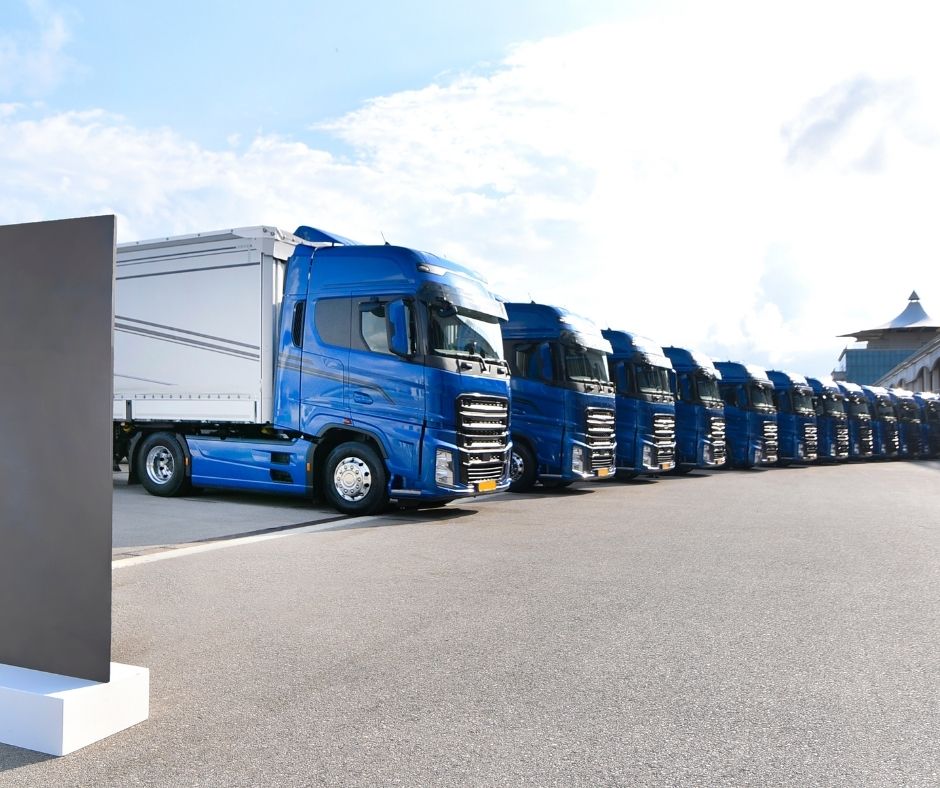
A standard truck for Freight transport They have a loading capacity of up to approximately 24 tons and a volume of approximately 80 cubic meters. These trucks can transport medium-sized loads that do not require special regulations. For example, for domestic transport or within the European Union, these trucks are ideal, having good range over long distances and an efficient operating cost.
If you are interested in additional details about road freight transport, I invite you to explore the services offered by Crystal Logistics Services.
Massive transport – Trailer truck or platform truck
When you need to transport bulky goods, that is, goods that exceed the standard dimensions or weight of a normal transport, the situation becomes more complex. In such cases, trailers or platform trucks are used.
Platform-mounted trucks are often used for transporting large-sized equipment or heavy machinery that cannot be loaded into a standard truck. For example, for the bulky transport of industrial machines or large structures, platform-mounted trucks are the ideal choice. They have a large capacity and can transport loads with heights or widths that exceed the limits of an ordinary truck.
In addition to platform trucks for large-sized, bulky shipments, sometimes extendable trailer trucks are also used, which can be extended to accommodate long or unusual-shaped loads. It is important to mention that for these types of transportation, special permits must be obtained and local and international regulations must be followed in order to be able to travel on public roads.
Refrigerated transport – Refrigerated truck
For the transport of perishable goods, such as food or pharmaceutical products, it is essential to use refrigerated trucks. These vehicles are equipped with a cooling system that allows maintaining a constant temperature during transportation.
Refrigerated trucks are frequently used in national and international refrigerated transport, ensuring that products reach their destination in good condition without deteriorating. These vehicles are often used for the transport of food (meat, dairy products, fruits, vegetables), but also for the transport of medicines that require strict temperature conditions.
A refrigerated truck can have variable dimensions, but in general its capacity is similar to that of a standard truck. However, due to the refrigeration system, fuel consumption can be higher and operating costs can be higher. Also, transportation over long distances, especially in international transport, requires special attention to customs regulations and temperature maintenance requirements.
International transport – Truck with trailer
For international transportation, especially when it is necessary to transport goods over long distances, trailer trucks are a common choice. These are high-capacity vehicles that can carry a wide range of products, from consumer goods to industrial equipment. Trailer trucks are ideal for long-distance transportation, being robust and efficient to operate.
A truck with a trailer has a high loading capacity, ranging between 20 and 30 tons, and can carry up to 90-100 cubic meters of cargo. These vehicles are frequently used for transporting goods on international roads, having good autonomy over long distances. Also, truck-trailers are cost-effective because they can transport a large amount of cargo on a single route.
For international transportation, it is important to ensure that the vehicle complies with European or international regulations and that it adheres to safety and environmental standards. These shipments require customs documents, and carriers must be familiar with the procedures for international transit and the transport regulations of each country they cross.
Liquid transport – Trucks with tanks
When it comes to transporting liquids such as fuels, chemicals, or other hazardous liquids, tanker trucks are the vehicle of choice. They are specifically designed to transport large quantities of liquids in a safe and controlled manner. Tanker trucks are essential for the chemical and petroleum industry and are widely used in the international transportation of chemical or petroleum products.
Tank trucks are usually equipped with safety and temperature monitoring systems to prevent accidents or spills. These vehicles can vary in size, but generally, they can transport between 20 and 30 tons of liquid per transport.
Whether you need a standard freight transport, an oversized transport, a refrigerated transport or an international transport, choosing the right vehicle is essential to ensure an efficient and safe delivery of the goods. Also, Crystal Logistics Services ensures that it offers you the best solutions for any type of transport, from standard trucks to specialized vehicles for international or dangerous shipments. Collaborate with professionals to transport your cargo in the best conditions, regardless of the destination!





