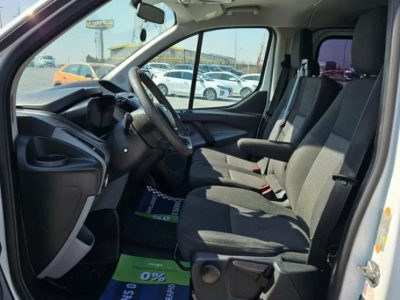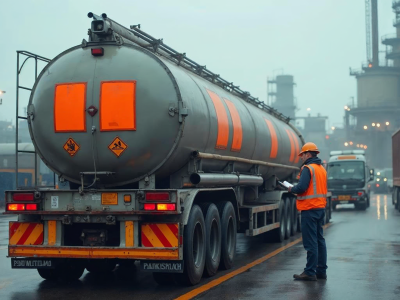



Commercial and heavy-duty vehicles cannot operate without a digital tachograph and a tachograph card, which is why the card remains extremely important for fleet managers and drivers.
The use of the digital tachograph is mandatory in the European Union for all goods vehicles manufactured after January 2006.
This legal requirement is matched by the performance of the digital device, which lets users record and store data securely, access it quickly and analyze it, while making it impossible to tamper with the tachograph chart data.
The information recorded by the digital tachograph is stored both on the cards and in the tachograph unit’s internal memory. To read and interpret the data recorded by the digital tachograph, the fleet manager needs dedicated software.
Documents Required for the Tachograph Card
The driver card is obtained by submitting an application file to any ARR regional office: the standard application form, a copy of your ID, a copy of your valid driver’s license, proof of current residence in Romania, a 25×32 mm color photo and proof of payment of the fee. The company card and the workshop card have their own application files, and the fee is the same for all tachograph cards.
The complete, up-to-date list of documents – including the documents required to renew, change and replace the card, the current fee and the legal deadlines – is available in our dedicated guide: Tachograph card: required documents, cost and how to get one.
Driving and Rest Times Required by European Law
- 9 hours/day, with a maximum of 4.5 hours without a stop and a minimum 45-minute break;
- drivers may drive a maximum of 56 hours per week and may not exceed 90 hours over 2 consecutive weeks;
- daily rest is at least 11 hours, and weekly rest at least 45 hours.
Transport vehicles must be fitted with a high-performance digital tachograph at first registration, to reduce fraud related to fuel consumption and the reporting of working, rest and break times. The digital tachograph helps prevent chart tampering, supports passenger safety and keeps drivers alert on the road.
Types of Tachographs
There are different types of tachographs on the market: analog, electronic and digital. They are available to freight transport companies and aim to develop and modernize transport services and eliminate situations in which drivers misreport the rest and break times they are required to observe.
The Analog Tachograph
The analog tachograph works through mechanical connections to the gearbox. A speed-limiting system cannot be fitted to this type of tachograph, which is why it is gradually being replaced by the digital tachograph.

One type of analog device is the disc tachograph. A chart is inserted into the tachograph at the start of the route and must be removed at the end of the working day.
These charts are kept by the driver for 28 calendar days, after which they must be handed over to the fleet manager or directly to the employer. On analog tachographs, rest times and activities other than driving are entered manually.
The Electronic Tachograph
With the electronic tachograph, information is transmitted through an electric cable from the pulse sender to the tachograph. The pulse sender generates pulses that the tachograph converts into data. Model 1318 is the electronic device that automatically records working times.
Analog and electronic tachographs do not easily accommodate speed limiters, and the information they provide is less accurate. They are gradually being replaced by digital tachographs, which record speed, stops and rest times and allow faster data downloads through dedicated software.
The Digital Tachograph
The digital tachograph is the device that keeps all the details of a trip and the driver’s driving style in its internal memory. It can also print the information, but it is especially useful for downloading, archiving and processing data, which has also become a legal obligation.

The information recorded by the on-board computer is saved by the digital tachograph and stored until it is downloaded with the dedicated software.
Key Information Recorded by the Digital Tachograph
- Vehicle registration number;
- Driver identity;
- Driver activity;
- Driving speed;
- The number of kilometers traveled;
- Service inspections;
- Enforcement checks.
Accessing and analyzing tachograph data is very important for fleet managers, because it gives them various driver activity reports and better control over how drivers drive.
The main advantage of the digital tachograph is more efficient management of the time and resources used during a trip.
Tachograph Legislation
What are the driver’s legal obligations?
The main risks for a transport fleet, and therefore for drivers, are directly related to health and safety at the wheel. That is why the European Union issued a directive, also transposed into Romanian law, covering drivers’ working time and rest time on the road (Directive 2000/34/EC). Under it, the maximum working time over 7 days is 48 hours, and the rest period is 11 hours.
In this context, a driver’s main legal obligations are:
- Using the driver card consistently, without exception;
- Using only their own personal card, linked to each driver’s identification data;
- Downloading the data recorded on their personal tachograph card every 28 days;
- Renewing the tachograph card at least 15 days before it expires;
- Complying with driving and rest times;
What are the legal obligations of companies that own vehicle fleets?
- The digital tachograph must be part of the vehicle’s equipment;
- Tachograph data must be downloaded once every 90 days;
- Copies of the stored digital tachograph data for each vehicle;
- Having the tachograph inspected once every 2 years at authorized service centers;
Storing and Downloading Tachograph Card Data
The information recorded on the tachograph card must be kept in internal memory or as data copies for at least one year, the period required in case of an inspection by enforcement authorities.
The data recorded by the tachograph card is used to check compliance with DHL (Driver’s Hours Law), i.e. driving and rest times. Under the Working Time Directive, the maximum working week is 48 hours over 7 days, and the minimum rest period in 24 hours is 11 hours.
Current legislation requires drivers to hand over the data recorded by the tachograph and stored on the driver card for reading once every 28 days. Even after it has been read, the data must be kept for at least one year in case of an inspection. The data on the digital tachograph must be fully downloaded once every three months. Digital tachographs are designed to store about 365 days of data, and once the memory is full, the oldest data is overwritten.
Transport companies are required to make copies of the data stored on each vehicle’s digital tachograph, and the tachographs themselves must be inspected once every 2 years by specialized service centers authorized for this type of work.
CargoTrack helps you manage digital tachographs efficiently:
Tachograph data reading & download module
With the Tachograph module from CargoTrack you'll be able to download data from the digital tachograph and the driver card remotely. What's more, the tachograph data download solution simplifies the process of accounting for the data, since all information is collected automatically.
Tachograph activity time analysis
With the CargoTrack module for analyzing activity times recorded on the tachograph, you can automate how activity times are managed for each driver. Digitalizing this process also eliminates human error when calculating active and inactive periods, giving you a consistent and convenient way to analyze the data.
The tachograph time analysis module is configured specifically for European legislation.
Benefits:
- Lower costs by eliminating regular trips for downloads;
- Driver payroll calculated based on driving and rest times;
- Automation of legally required tachograph downloads;
- Time saved for dispatchers and fleet managers;
- Report of driving time used or remaining for each day and the current week;
- Rest time report;
- Report on exceeding recommended driving times.