



In short: In Romania, the major operators are in the process of shutting down their 3G networks, while 2G remains active mainly for voice and SMS. For hauliers, this means that any GPS device that communicates exclusively over 3G loses its data connection, and devices that run only on 2G are a short-term solution at best. The fix is to replace the trackers with 4G models, planned by vehicle group.
Many telecom companies are choosing to shut down their 2G and 3G networks by the end of 2025.
In recent years, more and more network operators around the world have decided to say stop to 2G and/or 3G networks, in order to expand the coverage of 4G and 5G networks.
This means that once these networks are switched off, many consumers will be affected, and older-generation devices that use 2G and/or 3G technology will no longer be able to work by connecting to the network.
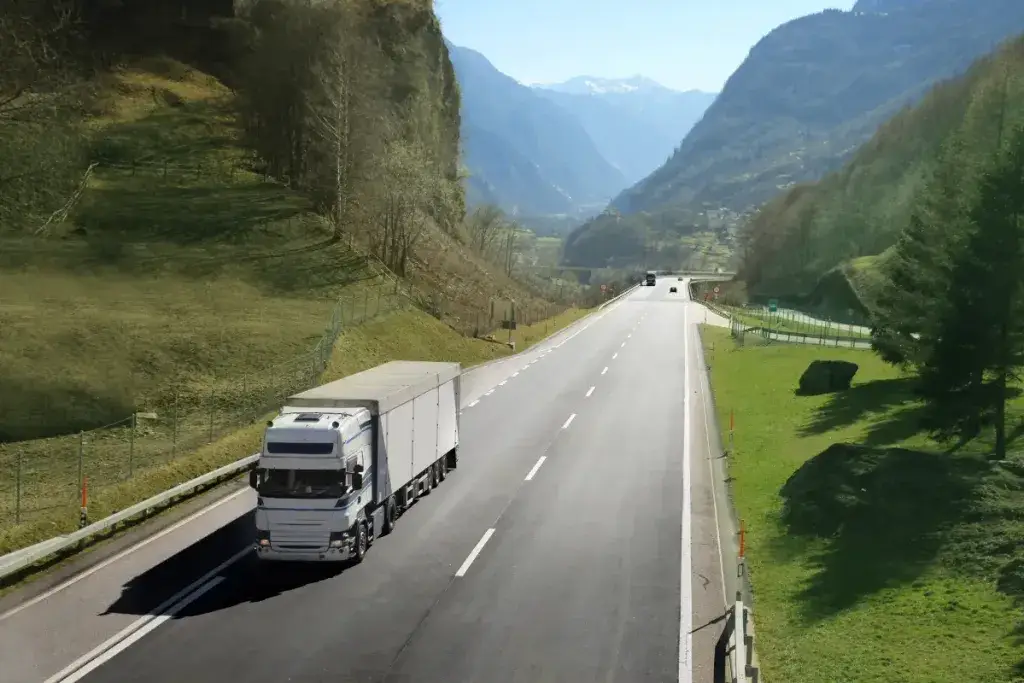
In transport, the problem is even bigger, because many hauliers use GPS devices that run on a 2G signal, since they are much more affordable and, until recently, seemed like the best option for small companies.
Below, we present the most important information about the 2G and 3G network shutdown and how you can adapt to a situation that will spread over the coming period.
Network operators want to shut down 2G and 3G networks
As 4G and 5G networks keep improving, shutting down 2G and 3G networks is an option more and more telecom providers are choosing.
Shutting down 2G and 3G networks would mean expanding 4G and 5G services, which offer much higher quality.
However, this shutdown is happening gradually, worldwide.
It is important to note that the 2G and 3G network shutdown varies from one network provider to another.
Not all telecom companies choose to shut down both networks: some opt to shut down only 2G, others only 3G, and some shut down both, either at the same time or a few years apart.
Depending on this, customers of certain telecom companies will be affected to a lesser or greater extent.
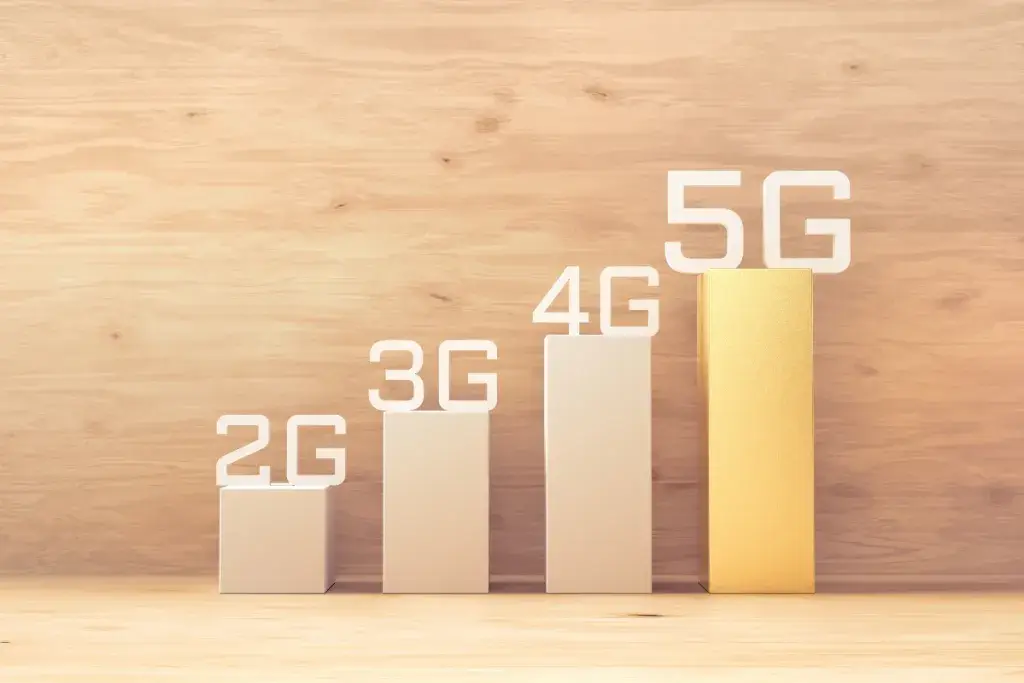
Why 2G and 3G networks are being shut down
Essentially, telecom companies want to expand the reach of their 4G and 5G networks.
To do so, they have to choose to stop providing either 2G or 3G. This way, they can expand their 4G and 5G frequency spectrum and improve service quality, since 2G and 3G are technologically outdated.
What’s more, the number of 2G and 3G users keeps shrinking all over the world, because new phones and devices have access to 4G and 5G, which deliver far better data quality.
This is where the problem arises for devices on the market that use the 2G or 3G network and may end up, practically, outside any coverage area.
The 2G and 3G network shutdown in Europe
Most European telecom companies will shut down their 2G and 3G networks by the end of 2025. Certain telecom companies in countries such as Switzerland, the Netherlands and Liechtenstein have already shut down their 2G networks.
By the end of 2023, the countries planning to shut down their 3G networks are Denmark, Slovakia, Greece, Hungary and Sweden.
You can find the approximate network shutdown schedule here:
| Country | Operator | 2G network shutdown | 3G network shutdown |
|---|---|---|---|
| Albania | Vodafone | 12/31/2025 | |
| Austria | T-Mobile Austria GmbH | 12/31/2025 | |
| Belgium | ORANGE Belgium nv/SA | 12/31/2030 | 12/31/2025 |
| Belgium | Proximus PLC | 12/31/2024 | |
| Belgium | Telenet Group BVBA/SPRL | 9/30/2024 | |
| Bulgaria | A1 Bulgaria EAD | 12/31/2025 | |
| Cyprus | Cyprus Telecommunications Authority | 12/31/2025 | |
| Czech Republic | O2 | 11/30/2021 | |
| Czech Republic | T-Mobile | 12/31/2025 | 11/30/2021 |
| Czech Republic | Vodafone | 12/31/2025 | 3/31/2021 |
| Denmark | HI3G Denmark ApS | 1/1/2015 | 12/31/2025 |
| Denmark | Nuuday A/S | 12/31/2022 | |
| Denmark | Telenor A/S | 12/31/2025 | 3/31/2023 |
| Denmark | Telia Nattjanster Norden AB | 12/31/2025 | 12/31/2025 |
| Estonia | Tele2 Eesti Aktsiaselts | 12/31/2025 | |
| Estonia | Telia Eesti AS | 12/31/2025 | 11/30/2023 |
| Finland | Alands | 12/31/2025 | |
| Finland | DNA | 12/31/2025 | 12/31/2023 |
| Finland | Elisa | 12/31/2023 | |
| Finland | Telia | 12/31/2025 | 12/31/2023 |
| France | Bouygues Télécom | 12/31/2026 | 12/31/2029 |
| France | Free Mobile | 1/1/2015 | |
| France | Orange | 12/31/2025 | 12/31/2028 |
| France | Société Française du Radiotéléphone S.A. | 12/31/2026 | 12/31/2028 |
| Germany | Telefonica O2 | 11/30/2021 | |
| Germany | Telekom | 6/30/2021 | |
| Germany | Vodafone | 12/31/2025 | 6/30/2021 |
| Greece | Cosmote | 11/30/2021 | |
| Greece | Nova | 3/13/2023 | |
| Greece | Vodafone | 12/31/2025 | 3/25/2023 |
| Hungary | Magyar Telekom Nyrt. | 6/30/2022 | |
| Hungary | Vodafone Hungary Ltd. | 12/31/2025 | 11/30/2022 |
| Hungary | Yettel Hungary Ltd | 12/31/2023 | |
| Iceland | IMC Ísland ehf. | 12/31/2025 | 1/1/2015 |
| Iceland | Nova ehf. | 1/1/2015 | 12/31/2025 |
| Iceland | Síminn h.f. | 12/31/2024 | 12/31/2025 |
| Iceland | Sýn hf. | 12/31/2025 | 12/31/2025 |
| Ireland | Three Ireland (Hutchison) Limited | 1/4/2023 | |
| Ireland | Vodafone Ireland Limited | 12/31/2025 | |
| Italy | Fastweb S.p.A. | 1/1/2015 | |
| Italy | ILIAD Italia S.p.A. | 1/1/2015 | |
| Italy | Telecom Italia SpA | 12/31/2029 | |
| Italy | Vodafone Italia S.p.A | 2/28/2021 | |
| Latvia | Latvijas Mobilais Telefons | 12/31/2025 | |
| Liechtenstein | Swisscom (Switzerland) Ltd (Liechtenstein) | 1/1/2021 | 12/31/2025 |
| Lithuania | Telia Lietuva AB | 12/31/2025 | 12/31/2022 |
| Lithuania | UAB Bitė Lietuva | 12/31/2028 | 12/31/2025 |
| Luxembourg | Orange Communications Luxembourg S.A. | 12/31/2030 | |
| Luxembourg | POST Luxembourg | 10/3/2022 | |
| Macedonia | Makedonski Telekom AD | 12/31/2022 | |
| Malta | Melita Ltd. | 1/1/2015 | 1/2/2015 |
| Netherlands | KPN B.V. | 4/1/2022 | |
| Netherlands | T-Mobile Netherlands B.V. | 6/1/2023 | |
| Netherlands | Vodafone Libertel B.V. | 12/31/2025 | 2/4/2020 |
| Norway | ICE Communication Norge AS | 1/1/2015 | 1/1/2015 |
| Norway | Telenor Norge AS | 12/31/2025 | 12/31/2021 |
| Norway | Telia Norge AS | 12/31/2025 | 11/9/2021 |
| Poland | Orange Polska S.A. | 12/31/2030 | 12/31/2025 |
| Poland | T-Mobile Polska S.A. | 4/30/2023 | |
| Portugal | DIGI PORTUGAL, SOCIEDADE UNIPESSOAL, LDA | 1/1/2015 | |
| Portugal | Vodafone Portugal – Comunicações Pessoais, S.A. | 12/31/2025 | 12/31/2023 |
| Romania | S.C. Orange România S.A. | 12/31/2030 | 12/31/2025 |
| Romania | S.C. RCS & RDS S.A. | 1/1/2015 | |
| Romania | Telekom Romania Mobile Communications S.A. | 7/1/2022 | |
| Romania | S.C. Vodafone Romania S.A. | 12/31/2025 | |
| Slovakia | Orange Slovensko, a.s. | 12/31/2030 | 12/31/2023 |
| Slovakia | Slovak Telekom, a.s. | 12/31/2023 | |
| Slovakia | SWAN Mobile, a.s. | 1/1/2015 | |
| Slovenia | A1 Slovenija, d.d. | 12/31/2030 | 6/30/2023 |
| Slovenia | T-2 d.o.o. | 1/1/2015 | |
| Slovenia | Telekom Slovenije d.d. | 9/30/2022 | |
| Spain | Orange Espagne, S.A., sociedad unipersonal | 12/31/2030 | 12/31/2025 |
| Spain | Telefónica Móviles España S.A. | 12/31/2025 | |
| Spain | Vodafone España, S.A.U. | 12/31/2025 | 12/31/2025 |
| Sweden | Hi3G Access AB | 1/1/2015 | |
| Sweden | Tele2 AB | 12/31/2025 | 12/1/2025 |
| Sweden | Telenor Sverige AB | 12/31/2025 | |
| Sweden | Telia Company AB | 12/31/2025 | 12/31/2023 |
| Switzerland | Salt Mobile SA | 12/31/2020 | |
| Switzerland | Sunrise UPC GmbH | 1/3/2023 | |
| Switzerland | Swisscom (Switzerland) Ltd | 4/30/2021 | 12/31/2025 |
| Ukraine | TriMob LLC | 1/1/2015 | |
| United Kingdom | EE Limited | 12/31/2025 | 12/31/2024 |
| United Kingdom | Hutchison 3G UK Limited | 1/1/2015 | 12/31/2024 |
| United Kingdom | Telet Research (N.I.) Limited | 1/1/2015 | 1/1/2015 |
| United Kingdom | Vodafone Ltd | 12/31/2025 | 12/31/2023 |
How does it affect hauliers?
The 2G and 3G network shutdown will significantly affect the transport industry.
Vehicle fleets equipped with 2G or 3G devices will need radical changes in order to keep using GPS monitoring effectively.
Why exactly? Hauliers will start noticing location update issues in the countries that shut down their 2G or 3G networks.
In practice, GPS devices will stop transmitting any information once they enter an area not covered by the networks they run on.
As a result, you will lose real-time access to:
- The vehicle’s exact location;
- The vehicle’s status;
- Tachograph records, which can only be downloaded while the vehicle is in a country with a 2G/3G network;
- Notifications and alerts received through the GPS device will be significantly delayed;
- Location sharing with other partners will be affected;
What can you do after the 2G and 3G network shutdown?
In the coming period, it is important to check the network compatibility of the GPS device installed on your vehicles — whether it works only on 2G, 3G and/or 4G networks.
That way, you can start considering replacing them with GPS devices compatible with the 4G network, to make sure that over the coming years you won’t have to worry about accessing your vehicle data, wherever your vehicles are.
This way, you’ll avoid the stress caused by these changes and gain much better control over the vehicles in your fleet.

Industry tips
In telematics, GPS devices running on the 2G network were widely used, because they were efficient enough for the needs of that time.
However, the digitalization that inevitably affects the transport industry as well demands technological progress, for much faster and more efficient operation.
With GPS devices running on the 4G network, data transfer will be much faster, and downloading data and sending routes and documents will take much less time.
What’s more, as market demand grows for 4G GPS devices, their prices will rise.
So it is only in your interest to take action early, to avoid buying the same services at much higher prices.
What you can do to avoid problems
We recommend starting by making sure your devices are network-compatible.
You can talk to the company you bought your GPS devices from, or contact other companies to get the support you need in this process.
The CargoTrack team is here to help you check your GPS devices’ compatibility and show you how to start the process of replacing them.
Talk now with a consultant CargoTrack and check your GPS device!
Frequently asked questions about the 2G and 3G network shutdown
Have 2G and 3G networks already been shut down in Romania?
In Romania, 3G networks are being shut down, while 2G remains operational. Orange România officially announced that it gradually switched off its 3G network nationwide starting in June 2024 and that voice and SMS services remain available over the 2G network. The other operators have separately announced they are phasing out 3G, without a single publicly communicated schedule. There is no announced shutdown date for 2G in Romania.
What happens to a fleet GPS unit that only works on 2G or 3G?
A device that communicates exclusively over 3G loses its data connection as operators switch off that network. 2G devices still work in Romania, but at very low speeds and with a medium-term risk. In practice, the vehicle disappears from the map: you no longer receive its real-time position, alerts or reports, even though the module still picks up the satellite signal.
How do I check whether the GPS device installed on my truck is 4G-compatible?
Checking takes three steps. Look up the tracker model in the manufacturer’s technical data sheet and see which radio technologies it supports, from 2G and 3G up to 4G LTE. Then ask your tracking provider for the list of vehicles with older modules. Finally, watch the platform for vehicles that stop reporting altogether or report with long delays. A reliable provider can pull this inventory directly from the system.
Do I need to replace all my GPS equipment, or is changing the SIM card enough?
As a rule, the device itself has to be replaced, not just the SIM card. The communication module is built into the tracker, so a device designed for 2G or 3G does not become 4G by swapping the SIM or through a software update. The SIM card only matters for the data plan and roaming. Replacing the tracker also means reinstalling it on the vehicle, so it is worth planning by vehicle group, during downtime.
How does the network shutdown affect remote tachograph data download?
Remote download of digital tachograph data depends on the mobile connection of the telematics device installed on the vehicle. If it runs on a network that has been shut down, automatic download no longer happens and you are left having to retrieve the files manually, directly from the vehicle. The concrete risk is missing the legal deadlines for the periodic download of data from the driver card and the vehicle unit.
What risks does a haulier face by postponing the switch to 4G GPS devices?
The risks are both operational and financial. You lose real-time visibility over your fleet, you can no longer justify routes to customers or authorities, tachograph data downloads get delayed, and alerts on fuel consumption or driving behavior disappear. On top of that comes pressure on prices and installation lead times, because a great many fleets are replacing their equipment during the same period.
Does it matter which countries the truck travels through if I have older GPS devices?
Yes, it matters a lot. The 2G and 3G network shutdown is happening at different paces from one operator to another and from one country to another, and an older device can lose coverage as soon as it crosses a border. For international transport, a 4G tracker with multi-operator roaming is the option that ensures continuous data transmission on all European routes.





