



In short: A fuel level sensor (probe) is a device installed in the vehicle’s tank that measures the fuel level and sends the data to the GPS monitoring system, and it is currently the most accurate way to control fuel. With it, the fleet manager receives fuel level reports and real-time alerts when the amount in the tank drops suddenly, making it possible to detect losses and theft and significantly cut costs. It connects to the GPS system by wire (the recommended option) or Bluetooth, and CargoTrack offers free installation when you choose the GPS device you want.
In this article, we’ll show you what a fuel level sensor is and how it works. You’ve probably heard of it, maybe you’ve used one, or maybe you’d like to start using one.
Put simply, the fuel level sensor is currently the most accurate way to control fuel. Below, we’ll walk you through some key details about the fuel level sensor and the benefits it brings, starting, of course, with the fact that it will significantly cut your fuel costs.
What is a fuel level sensor?
A fuel level sensor is a device installed in the vehicle’s tank to measure the level of fuel or liquid in the tank. It is used to provide accurate information on the amount of fuel left in the vehicle’s tank.
The fuel level sensor is equipped with sensing elements that measure the liquid level in the tank and send this information to the GPS monitoring system installed in the vehicle. This gives the fleet manager tight control over each vehicle’s fuel consumption.
This type of sensor is essential for efficient fuel management and for controlling losses, theft or the effects of poor driving habits.
The fuel level sensor comes with a range of advantages depending on the GPS monitoring service you choose. Fuel control, complete reports, real-time alerts on sudden drops in the tank level and monitoring of the driver’s driving style are just a few of the benefits a haulier can get by choosing a high-performance GPS monitoring service.

How does a fuel level sensor work?
The fuel level sensor works by measuring the volume of liquid in the tank. Here are the key aspects of how the fuel level sensor works once it has been installed in the tank.
Level sensors: The probe is equipped with sensors that detect the liquid level inside the tank. These sensors can be built in various ways, for example using pressure sensors, conductivity sensors, ultrasonic sensors or other technologies.
CargoTrack uses a sensor with electronic galvanic isolation across the interface and power circuits, which ensures accuracy
Data transmission: Information on the liquid level detected by the sensors is sent to the GPS monitoring system installed on the vehicle.
Data interpretation: The fleet manager can better control fuel consumption through the reports generated by the GPS monitoring system.
With the CargoTrack monitoring system, you can get:
- Fuel tank report;
- Fuel control module;
- Fuel Level Reports;
- Fuel alerts;
These let you analyze fuel consumption, prevent theft and significantly cut costs.
How is a fuel level sensor installed?
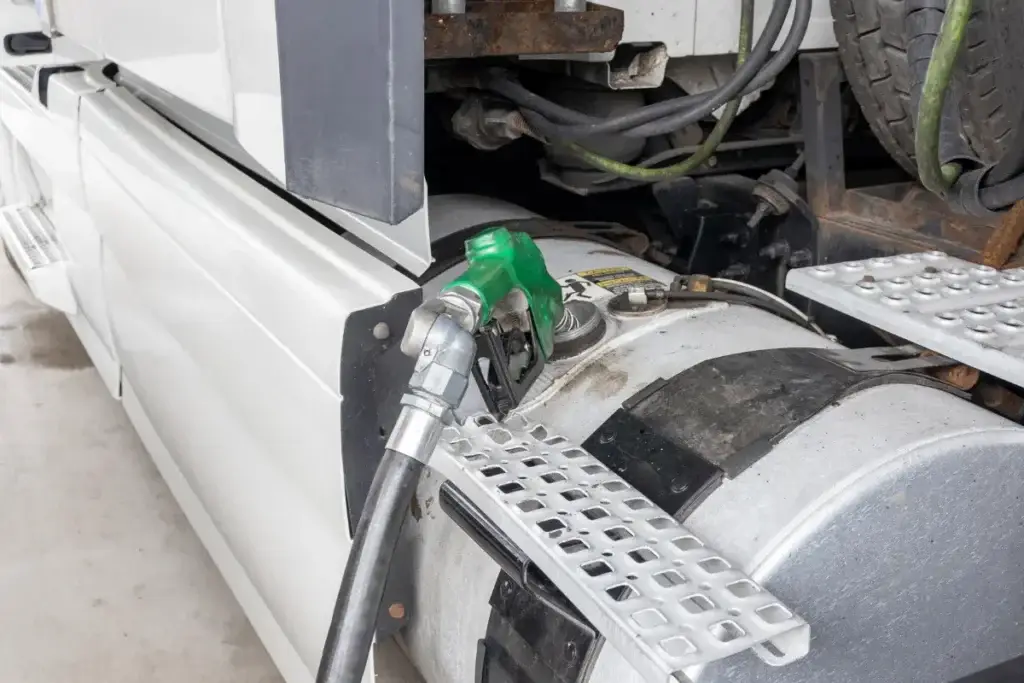
Installing a fuel level sensor can vary depending on the specifications and characteristics of the vehicle or tank it will be installed in. Even so, here are the general steps involved in installing a fuel level sensor:
1. Emptying the tank: The tank must be emptied of fuel before installation of the fuel level sensor begins.
2. Installing the sensor: The fuel level sensor is inserted into the tank at the previously selected location. This may involve using fastening or sealing devices to ensure a secure, sealed installation.
3. Connecting the fuel level sensor: Connecting the fuel level sensor to the GPS monitoring system can be done by wire or via Bluetooth. Our recommendation is to choose a fuel level sensor that connects by wire.
4. Testing and verification: After installation, the GPS monitoring system must be tested to make sure the fuel level sensor is working correctly and providing accurate data on the fuel level in the tank.
These steps are for guidance only. If you install a fuel level sensor yourself, make sure you know its specifications and what needs to be followed. It is also important to call in specialists whenever you think it’s necessary, to rule out any potential losses.
The installation team CargoTrack offers free installation when you choose the GPS device you want.

Can a fuel level sensor be tricked?
Fuel monitoring systems are designed to be reliable and accurate, and trying to tamper with them can have serious consequences.
If you have such intentions, we do not recommend trying to trick the fuel level sensor or the GPS Fleet Trackingsystem, because the consequences will be much greater later on.
There may be situations where the driver or outside parties try to do this, either by trying to damage or modify the sensor, by tampering with the cables or sensors to show a higher fuel level, or by attempting certain electronic interference.
As long as you constantly monitor the data and run regular checks, these attempts to “trick” the fuel level sensor will be easy to detect. We recommend keeping good communication with your drivers and making sure they understand the possible consequences.
What are the advantages of a fuel level sensor?
The fuel level sensor comes with many advantages that will significantly cut your costs and give you much greater control over your employees.
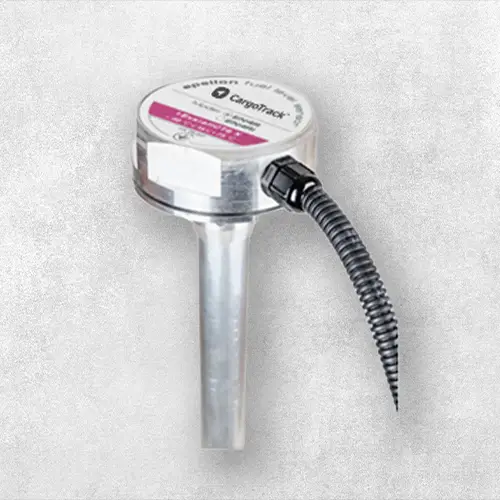
The fuel level sensor from CargoTrack offers a number of advantages:
- High sensor accuracy, linearity, and stability at any temperature;
- Calibration table stored inside the sensor head. Allows data to be transmitted directly in liters;
- Galvanic isolation. Protects the sensor head from power surges;
- Monolithic construction;
- Wide range of possible probe lengths, from 15 to 300 cm;
- Easy installation;
It’s important to do your research carefully when choosing a particular device or supplier.
Research, compare and find the best option for your company’s needs. That way, you’ll maximize the benefits of such equipment and GPS monitoring services.
At CargoTrack, we offer free installation of GPS monitoring devices and complete GPS monitoring services with no contract periods.
If you need more information, don’t hesitate to contact us, we’re just a click away and ready to give you all the information you need!
Frequently asked questions
What is a fuel level sensor?
A fuel level sensor is a device installed in the vehicle’s tank to measure the level of fuel or liquid in the tank. It is equipped with sensors that send the information to the GPS monitoring system installed in the vehicle, and it is currently the most accurate way to control fuel.
How does a fuel level sensor work?
The sensor works by measuring the volume of liquid in the tank: level sensors (pressure, conductivity, ultrasonic or other technologies) detect the amount of fuel and send the data to the GPS monitoring system. The fleet manager then interprets this data through the reports generated by the system.
How is a fuel level sensor installed?
Installation involves emptying the fuel tank, inserting the sensor into the tank with fastening or sealing devices, connecting it to the GPS monitoring system by wire or Bluetooth, and a final test to check data accuracy. It is best to call in specialists, and the CargoTrack team offers free installation when you choose the GPS device you want.
Can a fuel level sensor be tricked?
There may be tampering attempts, such as damaging the sensor or modifying the cables or sensors to show a higher fuel level. However, as long as you constantly monitor the data and run regular checks, these attempts are easy to detect, and fuel monitoring systems are designed to be reliable and accurate.
Is it better to connect the sensor by wire or by Bluetooth?
The fuel level sensor can be connected to the GPS monitoring system by wire or via Bluetooth, but CargoTrack recommends choosing a fuel level sensor that connects by wire.
What are the advantages of the CargoTrack fuel level sensor?
The CargoTrack fuel level sensor offers high sensor accuracy, with linearity and stability at any temperature, a calibration table in the sensor head that allows data to be transferred directly in liters, galvanic isolation that protects the sensor head from overvoltage, a monolithic design and easy installation. The probe length can range from 15 to 300 cm.





