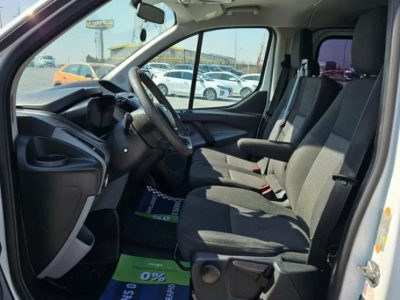


If your vehicle weighs over 3.5 tons and operates in international transport in the European Union, installing a second-generation smart tachograph is no longer optional – the retrofit deadlines have already passed, and from July 1, 2026 the obligation also extends to light commercial vehicles over 2.5 tons.
This means a roadside check can find you with a non-compliant tachograph, even if the vehicle has all its other documents in order.
Installation must be done exclusively at an authorized workshop, not at just any auto repair shop: the device must be installed, calibrated and sealed according to European rules, and the job ends with an installation plaque. Below you will find the compliance timeline, what affects the price and how to book your vehicle at the nearest location.
What the smart tachograph 2 is and why it became mandatory
The second-generation smart tachograph (smart tachograph V2 or G2V2) is the current version of the recording device required by Regulation (EU) No. 165/2014, as amended by the Mobility Package.
Compared with the classic digital tachograph and the first-generation smart tachograph, the new device automatically records border crossings, the vehicle’s position at the start and end of the working day, and cargo loading and unloading operations.
The goal is more effective enforcement of cabotage, driver posting and compliance with driving and rest periods: authorities can check remotely, via DSRC communication, whether a vehicle complies with the rules.
If you want the full context of the transition and the technical differences between generations, we covered the topic in detail in our article on the smart tachograph by 2025, and you can find the basics of how the device works in our guide to the digital tachograph.
Smart tachograph 2 compliance timeline
The deadlines below apply to EU-registered vehicles engaged in international road transport (including cabotage).
The dates are those officially published by the European Commission – Directorate-General for Mobility and Transport.
| Vehicle category / situation | Equipment previously installed | Installation / retrofit deadline |
| New heavy vehicles over 3.5 tons, first registration | — | Since August 21, 2023, delivered from the factory with smart tachograph 2 |
| Vehicles over 3.5 tons in international transport | Analog or digital (non-smart) tachograph | Retrofit by December 31, 2024 |
| Vehicles over 3.5 tons in international transport | First-generation smart tachograph | Retrofit by August 18, 2025 |
| Light commercial vehicles over 2.5 tons, in international transport or cabotage | No tachograph / previous equipment | Mandatory from July 1, 2026 |
Keep two important points in mind:
- The first three deadlines have already passed. If your vehicle operates in international transport and still has a previous-generation tachograph, you are breaking the law right now, not from some future date.
- The retrofit obligation covers international transport and cabotage. For vehicles operating exclusively in domestic transport, the rules may differ – check your fleet’s specific situation before postponing installation.
What actually changes from July 1, 2026
The July 1, 2026 deadline brings into the scope of the regulation an entire category of operators that have had nothing to do with tachographs until now: companies carrying goods with 2.5–3.5 ton vans on international routes. These vehicles must be fitted with a second-generation smart tachograph, and their drivers become subject to the rules on driving and rest times.
For these operators, installation is not the only obligation. Drivers need a valid tachograph card, and the company must regularly download data from the device and the cards. You can find details on documents and costs in our article on tachograph card.
How much smart tachograph 2 installation costs
There is no single, regulated rate for tachograph installation or inspection – the price is set by each authorized workshop based on the actual work involved.
For this reason, any “fixed” figure you find online should be taken with caution: the real cost depends on the equipment chosen, the condition of the existing installation on the vehicle and any related work required.
What affects the installation price
- The type of tachograph chosen – models differ in manufacturer and features. The device itself usually accounts for most of the invoice.
- Retrofit or new installation – replacing an existing tachograph on an already wired vehicle is a different job from fitting a van that has never had a tachograph from scratch. A new installation adds cable routing, the motion sensor and mechanical adaptations.
- The motion sensor and gearbox connection – if the existing sensor is incompatible or missing, it must be replaced, which means additional labor.
- Calibration – after installation, the device must be calibrated to the vehicle: characteristic coefficient, constant, tire circumference, vehicle identification number. Calibration is done on the workshop’s test bench and is mandatory.
- Sealing and the installation plaque – the job ends with applying the seals and the plaque certifying the installation date and calibration data.
- Periodic inspection – if the vehicle is also due for its inspection, the two operations can be combined in the same appointment, which reduces downtime.
- Unexpected related work – damaged wiring, previously broken seals, display or power supply faults. These only show up during diagnostics.
The practical takeaway: for a fair price, request a quote for your specific vehicle, stating the make, model, year and type of tachograph currently installed. A reputable workshop can estimate the cost before you bring the vehicle in, and differences between a phone estimate and the final invoice are rare if you have described the situation accurately.
Where the smart tachograph 2 can be legally installed
Tachographs may be installed, calibrated, repaired or inspected only by workshops and technicians authorized by the competent authority of the member state.
This is an express requirement of Regulation (EU) No. 165/2014. An installation done at an unauthorized shop has no legal validity: the device cannot be calibrated correctly, cannot be sealed with recognized seals and cannot receive the installation plaque.
In Romania, tachographs are installed, inspected and repaired in authorized workshops that work with dedicated workshop cards and type-approved calibration equipment. Without a valid workshop card, any operation on the device is technically impossible.
The CargoTrack tachograph service network
- What we do: smart tachograph 2 installation, retrofit from analog, digital or smart v1 tachographs, calibration, sealing, periodic inspection and data download.
- Where to find us: we have locations across the country, so you don’t have to take your vehicle hundreds of miles off the road for a job that takes a few hours.
- How to choose the right location: check the map and the full list of locations in our smart tachograph 2 service network and book your vehicle at the workshop nearest you.
- What to prepare for the appointment: the registration certificate; you don’t need the workshop card yourself, but you do need the vehicle data and, if applicable, the existing installation plaque.
Periodic tachograph inspection
Installation is not the end of it: the tachograph must be inspected at an authorized workshop at least once every 2 years.
Periodic inspection is mandatory for all types of tachographs and confirms that the device is working correctly, that the seals are intact and that the calibration data still match the vehicle’s actual configuration.
During the periodic inspection, the workshop mainly checks:
- correct operation of the device and data display;
- the integrity of the seals and the installation plaque;
- whether the calibration parameters match the vehicle’s actual configuration (tires, transmission);
- the accuracy of speed and distance records.
Also watch out for an often overlooked point: removed or broken seals must be replaced by an authorized workshop without undue delay, shortly after they were broken. If you had work done on the gearbox or the electrical system and a seal was affected, book the vehicle right away – don’t wait for the next periodic inspection.
Separately from the 2-year inspection, the company is required to regularly download data from the device memory and from the drivers’ cards. We explained the exact deadlines and how to archive the data in our article on tachograph data download.
What you risk if you postpone installation
A vehicle operating in international transport without the tachograph required by regulation is liable to penalties during roadside checks, both in Romania and in other member states. In addition, an uncalibrated tachograph or one with compromised seals may be treated as an attempt at tampering, which carries far more serious consequences than a simple fine – including for the transport operator’s good repute.
There is also a practical reason: as deadlines such as July 1, 2026 approach, demand for appointments rises and waiting times get longer. A vehicle off the road for a week costs more than the installation itself.
Want a quote for tachograph installation or inspection? Tell us the make, model and year of your vehicle, as well as the tachograph currently installed, and we will send you a cost estimate and the earliest available date. You can choose a location directly from the smart tachograph 2 service network or write to us using the form on the Contactpage. We also schedule entire fleets in stages, so your operations are not disrupted.
Frequently asked questions
How much does smart tachograph 2 installation cost?
There is no nationally regulated rate. The price is set by each authorized workshop and depends on the device chosen, the type of job (retrofit or new installation), calibration and any related work. Request a quote for your specific vehicle.
Who can legally install a tachograph?
Only workshops and technicians authorized by the competent authority that hold a valid workshop card and type-approved calibration equipment. A regular auto repair shop cannot legally do this work.
When did the smart tachograph 2 become mandatory?
New heavy vehicles have been delivered with smart tachograph 2 since August 21, 2023. Vehicles with analog or digital tachographs had to be retrofitted by December 31, 2024, and those with first-generation smart tachographs by August 18, 2025. The deadlines apply to international transport.
What changes from July 1, 2026?
From July 1, 2026, EU-registered light commercial vehicles over 2.5 tons used in international road transport must be fitted with a second-generation smart tachograph.
How often does the tachograph need to be inspected?
The tachograph must be inspected at an authorized workshop at least once every 2 years, regardless of the device type.
How long do installation and calibration take?
It depends on the job. A replacement on an already wired vehicle is significantly faster than fitting a van that has never had a tachograph from scratch. The workshop can estimate the downtime when you book.
Do I need to replace my tachograph if I only drive in Romania?
The retrofit deadlines set at European level apply to vehicles engaged in international road transport and cabotage. For purely domestic transport, check your fleet’s specific situation with an authorized workshop before making a decision.
What happens if a tachograph seal is broken?
Removed or broken seals must be replaced by an authorized workshop without undue delay, shortly after they were broken. Don’t wait for the next periodic inspection.