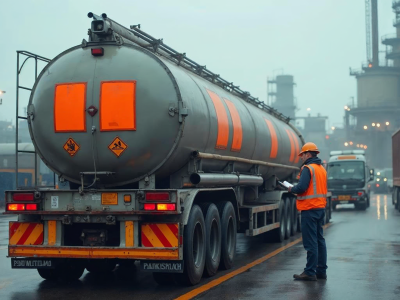



Fuel is a precious resource for any company operating in the transport industry. Especially if you run a fleet of trucks, it is essential to keep fuel consumption within optimal limits at all times. A significant problem arises when drivers steal fuel. Even if you are confident that your employees are trustworthy, it is not uncommon for them to try to misuse company resources for personal gain and resort to fuel theft.
Below, you will learn how to tell whether a driver is stealing fuel. Discover the warning signs, how drivers steal fuel, and what solutions are available. Find out how to investigate the situation and what steps you can take to make sure it does not happen again if your suspicions of fuel theft turn out to be justified.
Fuel Theft: Why and How Do Drivers Steal Fuel?
The reasons why drivers you trust may end up stealing fuel from the tank are not hard to guess. There are times when the price of diesel keeps rising. That makes it a valuable resource, and when you have unlimited access to fuel, there is a temptation to take advantage of it. Drivers resort to fuel theft because fuel is expensive and they can obtain large quantities of it without much effort.
The first way truck drivers illegitimately help themselves to fuel is by using the company fuel card for personal purposes. Having access to such a card leads many drivers to use it when they are driving for personal reasons as well. This type of fuel theft is easy to detect by tracking the dates and times of transactions made with the cards issued by your company.
On the other hand, there are methods that are harder to spot, by which drivers appropriate your fuel. A relevant example is stealing directly from the tank of the truck they drive. This is done with a hose that siphons part of the fuel from the tank into another container. The method is rudimentary and can be compared to theft using a bucket or jerrycan, which involves filling such containers with a significant amount of fuel straight from the pump. These methods can cause significant losses for your company.
Although the tricks dishonest drivers come up with to steal fuel are often innovative and surprising, there are ways to make sure you protect your resources. Below, we present the options based on modern technologies that you can use to always stay one step ahead of dishonest drivers.
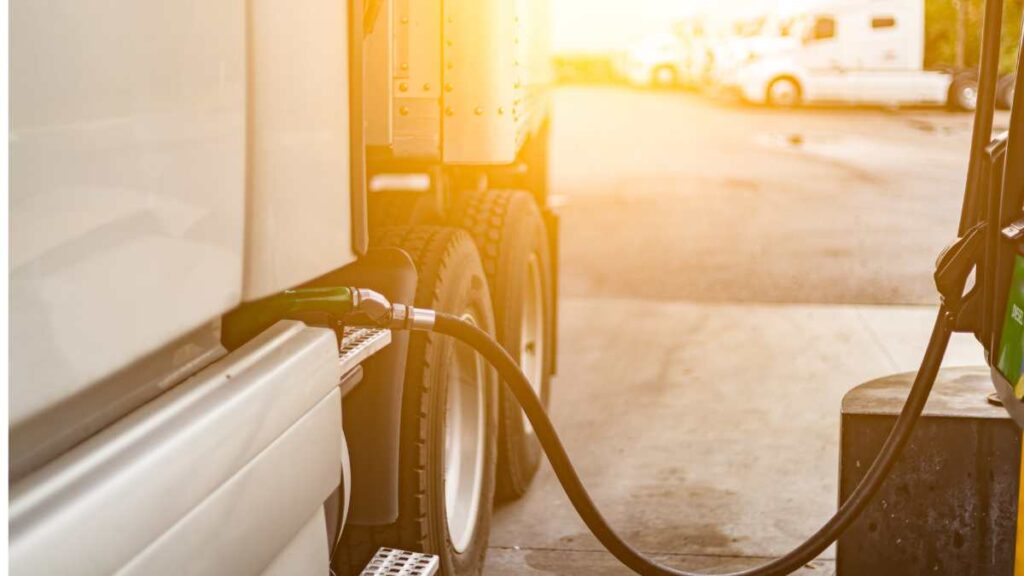
How Can You Prevent Fuel Theft from the Tank? Fuel Theft Monitoring Solutions
The reason it is so important to make sure your drivers are not stealing from you is obvious. Diesel is expensive, and fuel is one of a fleet's major expenses. They say prevention is better than cure, and that should be your motto too when you want to prevent fuel theft.
With modern monitoring systems, you can benefit from automatic checks of fuel level and fuel consumption. Using modern fleet monitoring systems is a measure that will not only let you know when things are not going the way you want. These technologies also act as a deterrent for drivers with bad intentions and will stop them from acting, because they will know for certain that any attempt will be detected automatically.
CargoTrack offers fuel monitoring services that keep you informed in real time about how the vehicles in your fleet are refueled. You can check both the fuel level in a vehicle's tank and the recorded consumption. You can see which driver is using the vehicle inefficiently and keep a clear, transparent record of the money spent on fuel. The system can be connected to the vehicle's on-board computer or work through fuel sensors installed on the vehicle.
The system is extremely easy to use, as it can send you real-time notifications by e-mail or SMS. It also helps you assess the efficiency of the vehicles in your fleet, as well as the quality of your drivers and their driving style. You receive information about refuelings, potential fuel siphoning, and very sudden drops in the diesel level in the tanks.
Choose modern services that keep you up to date with your drivers' activity. CargoTrack It offers you software products and hardware products that can streamline your operations and make your business far more profitable!
Frequently Asked Questions – Fuel Theft
How is this fuel theft carried out?
Fuel theft is usually carried out by methods such as opening the fuel cap without authorization and extracting the diesel with a hose or pump.
Why is diesel such a frequent target for theft?
Diesel is targeted because it represents a constant, high cost for any fleet. Thieves can sell it easily, and companies feel the losses immediately, even when small amounts go missing repeatedly.
What are the signs that diesel may be stolen from a vehicle?
Signs of fuel theft: unexpectedly high consumption, discrepancies between fuel purchased and actual consumption, tampering with the fuel cap, or evidence of unauthorized opening.
What solutions are there to prevent this fuel theft?
Solutions include: special locking fuel caps, anti-siphon devices, telematics systems that monitor consumption and tank level, video surveillance of parking areas, secure parking, and regular inspections.
Why is consumption monitoring useful and what can it reveal?
GPS-based consumption monitoring can detect sudden drops in fuel level or discrepancies between estimated and actual consumption — clear signs of theft.
Can fuel theft come “from the inside,” meaning from your own employees?
Yes — it is not only outside thieves who steal; drivers or other employees can siphon off diesel, which is why prevention measures must include internal procedures, checks, and supervision.
What role does securing parking lots and garages play in preventing diesel theft?
Parking areas that are well lit, fenced, covered by video surveillance, or guarded reduce the risk of unauthorized access and make theft much harder.
Are there technical solutions that make theft much harder, or even impossible?
Yes — there are anti-theft fuel caps, anti-siphon devices, tank alarms, physical protection for fuel lines, plus telematics systems that send alerts about suspicious changes in fuel level.
What can companies do to monitor actual consumption and avoid losses?
They can implement a GPS monitoring system that tracks consumption, checks whether the volume refueled matches actual consumption, reports any discrepancy, and periodically audits refuelings.
Is prevention more effective than dealing with theft only after it has happened?
Yes — prevention is far more effective: technical and organizational measures combined with continuous monitoring reduce losses and the risk of theft, avoiding high costs and diesel losses.