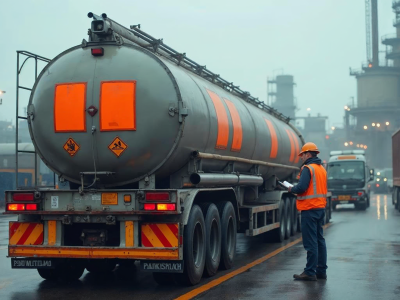

In short: the Bulgarian road network is divided into motorways (Avtomagistrala) and expressways (Skorosten pat), and access to national roads is tolled. Vehicles up to 3.5 tons use an electronic vignette, while vehicles with a technically permissible maximum weight over 3.5 tons pay a road toll calculated per kilometer traveled, through the BG Toll system. The Danube bridges, Giurgiu-Ruse and Calafat-Vidin, are tolled separately.
When it comes to Bulgaria’s infrastructure, it is important to know a few key aspects of our neighbors’ roads.
As we always say, it is important to set off well informed and know what to expect along the way.

Bulgaria’s Infrastructure
Since 2012, Bulgarian legislation has defined 2 distinct types of roads in Bulgaria, namely:
- motorways (called “Aвтомагистрала”, Avtomagistrala, in Bulgarian), which have emergency lanes and a maximum speed limit of 140 km/h;
- expressways (called “Скоростен път”, Skorosten pat, in Bulgarian), which have no emergency lanes and a speed limit of 120 km/h
As of October 2022, there are a total of 845.3 kilometers of motorways in operation in Bulgaria’s infrastructure.
To drive on Bulgarian roads, you need to buy a vignette. The exception is municipal roads, for which you do not have to pay any tolls.
You can find all the information on how to buy a Bulgaria vignette online or in person by visiting this link. The process is not difficult, and by reading all the necessary information, it will be very easy to avoid worrying about a fine.

Besides the vignette, it is also important to know that there are two bridges that charge tolls:
- New Europe Bridge;
- Danube Bridge;
Both bridges are located at the border crossings with Romania, in the Danube area. Both can be paid online since January 2019.
Connections with motorways in neighboring countries
It is important to know the motorway networks connecting Bulgaria with its neighboring countries, so you can plan the most suitable route.
Greece
The Struma motorway connects to the Greek A25 motorway (Serres – Lagkadas – Egnatia Odos) near the town of Kulata. This route is part of Pan-European Corridor IV.
An interchange is also being built on the Maritsa motorway, near Svilengrad, to facilitate the connection with the future A21 motorway in Greece.
Romania
The planned construction of the Botevgrad-Vidin, Veliko Tarnovo-Ruse and Shumen-Ruse expressways, which branch off the Hemus motorway, also includes a connection with Romania. The Botevgrad-Vidin expressway is expected to be the first to be built for this purpose. After the inauguration of the New Europe Bridge, Romanian Prime Minister Victor Ponta stated that Romania intends to build a motorway between Craiova and Calafat.
In the long term, there are plans to connect the Cherno More motorway with the future Romanian A4 motorway to Constanța (including an interchange with the A2 motorway, which leads to Bucharest).
Turkey
The Maritsa motorway (A4) connects near Kapitan Andreevo with the Turkish O-3 motorway, which leads to Istanbul.
Serbia
A 31.5 km segment of the Europa motorway, running from Sofia to Kalotina, is set to connect with the Serbian A4 motorway toward Niš. This route is part of Pan-European Corridor X.
North Macedonia
the Dupnitsa-Kyustendil expressway, which branches off the Struma motorway, is planned to create a link with this country.

Future roads in Bulgaria
Here is the list of upcoming motorway and expressway openings in Bulgaria:
- Hemus motorway: Boaza – Dermantsi (16 km) – 2024
- Hemus motorway: Dermantsi – Kalenik (19 km) – 2024
- Hemus motorway: Kalenik – Pleven (17 km) – 2024
- Struma motorway: Blagoevgrad – Simitli (13 km) – 2024
- Europe motorway: Dragoman – Kalotina (14 km) – 2023
- National Road 1: Botevgrad – Lyutidol (19 km) – 2023
- National Road 1: Lyutidol – Mezdra (13 km) – 2024
- National Road 1: Makresh – Bela (14 km) – 2023
- National Road 1: Vidin – Makresh (30 km) – 2024
- National Road 1: Bela – Ruzhintsi (11 km) – 2024
In total, 166 km of expressways and motorways will be opened in Bulgaria in 2023-2024.
If you are going to travel in Bulgaria, keep in mind that you need to pay for the vignette. Plan your route before you leave and make sure you have chosen the route best suited to your needs. Bulgaria’s infrastructure is decent and in line with European standards.
If you want to find more information about the vignettes for other countries, in our section on Articles you will find information for all countries in Europe.
Frequently asked questions about infrastructure and road tolls in Bulgaria
Do trucks over 3.5 tons need a vignette in Bulgaria?
No. In Bulgaria, the electronic vignette applies only to vehicles with a technically permissible maximum weight of up to 3.5 tons. Vehicles over 3.5 tons, including trucks and coaches, are charged through the toll system, that is, based on the distance actually traveled on the tolled sections of the national road network. The scheme is administered by the national operator BG Toll.
How is the road toll for trucks calculated in Bulgaria?
The toll is calculated per kilometer traveled and depends on several factors: the vehicle’s technically permissible maximum weight, the number of axles, the environmental category (Euro emission class) and the type of road you drive on, namely motorway, class I or class II national road. Rates differ for each combination, so the cost of the same route varies from one vehicle to another.
How do I actually pay the toll for a truck in Bulgaria?
There are two ways. The first is automatic declaration of kilometers, through a contract with a national service provider, using a GNSS on-board device or a GPS tracker connected to a data provider. The second is the route pass, a route ticket bought in advance, valid for 24 hours, in which you declare the starting point, the destination and the intermediate points.
What happens if I drive in Bulgaria without having paid the road toll?
Enforcement is automatic, with fixed cameras and mobile patrols. You can avoid the offense procedure by paying a compensatory fee: for goods vehicles of 3.5-12 tons it is 77.21 euros, for those over 12 tons with 2-3 axles 213.72 euros, and for those over 12 tons with 4 or more axles 301.15 euros. If you refuse to pay on the spot, an offense report is drawn up.
Are the tolls for the Giurgiu-Ruse and Calafat-Vidin bridges included in the road toll?
No. Crossing the Danube bridges, the Friendship Bridge Giurgiu-Ruse and the New Europe Bridge Calafat-Vidin, is paid separately, apart from the vignette or the toll. Each side, Romanian and Bulgarian, collects its own toll, and the rate depends on the vehicle category. On the Bulgarian side, payment can be made online, through the national toll operator’s platform.
Which roads in Bulgaria are toll-free?
Tolls apply to the sections of the national road network established by government decision, that is, motorways and class I and class II national roads. Municipal roads and roads inside towns are not part of this scheme and can be used free of charge. Before you set off, check your route on the official map of tolled sections to avoid surprises during inspections.
What is the difference between motorways and expressways in Bulgaria?
Bulgarian motorways, marked Avtomagistrala, have emergency lanes and allow a higher maximum speed than expressways, marked Skorosten pat, which have no emergency lanes. For heavy vehicles, speed limits are lower than for passenger cars, regardless of the road type, so the signs and restrictions by vehicle category remain the rule to follow.