

Turkey is often a destination of choice for Romanians looking for a well-deserved beach vacation. At the same time, many hauliers also carry out transport jobs in Turkey. Whichever group you belong to, you need to know one essential thing from the start: Turkey does not have a classic vignette, but an electronic toll system called HGS, in which you pay for each passage. Below we explain how it works and what you need to do to avoid fines.
Road tolls in Turkey in 2026: what has changed
Because of high inflation, Turkey frequently updates its road tolls. State-run highways and bridges (KGM) have had new rates since January 1, 2026 (an average increase of about 25%), and the concession bridges — Osmangazi, 1915 Çanakkale and Yavuz Sultan Selim — became more expensive again on July 1, 2026. The rates below are the official ones published by KGM, checked in July 2026 (indicative exchange rate: 1 euro ≈ 53.5 Turkish lira). VAT is included.
| Section / bridge | Class 1 (car) | Class 4 (4–5 axles) | Class 5 (6+ axles) |
|---|---|---|---|
| O-3 Edirne – Istanbul (Mahmutbey) highway, full route | 168 TL (~3.1 €) | 338 TL (~6.3 €) | 378 TL (~7.1 €) |
| O-7 Northern Istanbul bypass (Kuzey Marmara, European section Kınalı–Odayeri) | 260 TL (~4.9 €) | 630 TL (~11.8 €) | 800 TL (~15 €) |
| Bosphorus bridges: 15 July (formerly the Bosphorus Bridge) and Fatih Sultan Mehmet | 59 TL (~1.1 €) | closed to classes 3–5 | |
| Yavuz Sultan Selim Bridge (mandatory for trucks crossing the Bosphorus) | 110 TL (~2.1 €) | 690 TL (~12.9 €) | 860 TL (~16.1 €) |
| Osmangazi Bridge (Gulf of Izmit, fast route to Izmir/Bursa) | 1,170 TL (~21.9 €) | 2,950 TL (~55.1 €) | 3,720 TL (~69.5 €) |
| 1915 Çanakkale Bridge (Dardanelles) | 1,170 TL (~21.9 €) | 2,925 TL (~54.7 €) | 5,560 TL (~103.9 €) |
A few important notes for hauliers: the concession bridges (Osmangazi and 1915 Çanakkale) are by far the most expensive crossings in Turkey — a 6+ axle combination pays over 100 euros on the 1915 Çanakkale Bridge. When crossing the Bosphorus, trucks are not allowed on the 15 July and Fatih Sultan Mehmet bridges and must use the Yavuz Sultan Selim Bridge (on the O-7 northern bypass) or detour to the south via the Osmangazi Bridge. All these crossings are paid exclusively via HGS or OGS — there is no cash payment at the booth.
Since rates usually change in January and, for the concession bridges, also mid-year, always check the official list before your trip on the KGM website (General Directorate of Highways), and you can check and top up your HGS balance on the PTT portal. (Rates checked: July 2026.)
What Romanians search for as the “Turkey vignette” is actually HGS (Hızlı Geçiş Sistemi – the “fast pass system”), the electronic toll system introduced in 2012. It works by purchasing an electronic tag (RFID sticker) that is applied to the vehicle's windshield and linked to a prepaid account: you don't pay for a period of time, but for each passage on toll highways, bridges and tunnels, based on the distance traveled and the vehicle class.
In this article we'll tell you everything you need to know about the Turkey vignette and Turkey road tolls.

HGS system for Turkey highway tolls
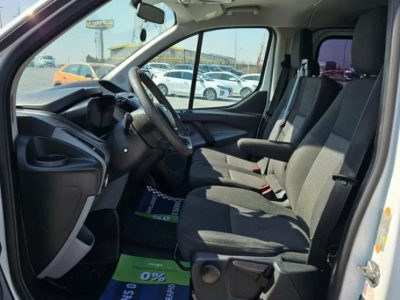
In Turkey, the highway toll is paid using an HGS sticker or a toll transponder. The sticker is applied to the windshield, behind the rearview mirror, 5-10 cm from the top edge of the windshield. When entering or exiting the highway, you need to slow down to 30 km/h so the system can read the chip in the sticker and the vehicle's license plate number.
The HGS sticker for paying tolls on Turkey's highways can be purchased from PTT post offices, authorized HGS sales points (including some gas stations and booths at highway entrances), as well as partner banks (Ziraat Bankası, İş Bankası, Garanti BBVA and others).
In 2026, the HGS sticker tag costs approximately 110–140 Turkish lira (about 2–2.6 euros), and the card version 160–200 lira (about 3–3.7 euros), depending on the purchase channel (PTT rates checked in July 2026). When buying it, you will need to show your passport and the vehicle registration certificate and fill in a form with your name, document number and license plate number.
When you buy it, you also need to load an initial balance into the HGS account. Top-ups can be made at any PTT office, at HGS sales points, through partner banks or online, on the official portal hgsmusteri.ptt.gov.tr. For commercial vehicles, given the current level of bridge tolls, a balance of a few thousand lira is recommended.
Update August 26, 2024
In the Official Gazette of the Republic of Turkey No. 32552, published on May 21, a presidential decree was issued allowing Romanian citizens to enter Turkey using their identity card (ID) instead of a passport, according to the Ministry of Internal Affairs. On entering the country, you must fill in a form, which has to be presented together with your ID in the event of a check. This measure applies to tourist travel.
Note!
For business travel (e.g. truck drivers, coach drivers, etc.), a passport remains mandatory.
There is currently no official source confirming whether a passport is required to purchase the HGS vignette in all cases. Requirements may vary depending on the payment point chosen, but the vehicle registration certificate is still required everywhere.
How much does the Turkey vignette cost?
If you pass a toll point without sufficient balance, you can pay the toll without a penalty within 15 days of the passage (under Law No. 6001).
Turkey road tolls vary by vehicle category, classified in the Turkish system as follows (there is also a class 6, for motorcycles with HGS):
| category 1 | Two-axle vehicles with a wheelbase under 3.20 m: cars, motorcycles; light trucks, vans and minibuses with a wheelbase under 3.20 m |
| category 2 | Any 2-axle vehicle with a wheelbase over 3.20 m: vans, pickups, jeeps, ambulances and hearses, minibuses, buses and trucks |
| category 3 | Any 3-axle vehicle: buses, trucks, trailers; classes 1 and 2 with one extra axle |
| category 4 | Any vehicle with 4 or 5 axles: buses, trucks and trailers; class 1 with 2 extra axles, class 2 with 2 extra axles |
| category 5 | Vehicles with 6 or more axles |
Indicative prices are as follows (the image below reflects rates from previous years — you will find the rates checked in July 2026 in the section at the end of the article):

You can access the updated Turkey vignette costs at any time here, on the official website of Turkey's General Directorate of Highways (KGM).
!Attention! Rates are set in Turkish lira (TRY), and the HGS account is topped up in lira!
Fine for not paying the Turkey vignette
Driving on Turkey's toll highways without a valid HGS tag and sufficient balance leads to severe penalties. There are also vignette enforcement mechanisms, including electronic vignette readers at highway toll plazas and police checks.
When entering the highway you will need to drive at no more than 30 km/h so the electronic readers can read your HGS tag chip and the vehicle's license plate number.
The current rules (Law No. 6001) are as follows: you have 15 days to pay the toll without a penalty; between day 15 and day 45 you pay the toll plus a fine equal to its amount, and after 45 days the fine rises to 4 times the toll amount, to which collection costs may be added. In addition, vehicles with foreign license plates can no longer leave Turkey without paying outstanding tolls and fines — this is checked at customs when leaving the country.
Turkey road tolls for the Bosphorus Bridge and the Fatih Sultan Mehmet Bridge
It is important to know that at the Bosphorus Strait between Asia and Europe, you will have to pay a Turkey road toll for crossing the 15 July Bridge (formerly the Bosphorus Bridge) or the Fatih Sultan Mehmet Bridge. Note: vehicles in classes 3–5 (trucks, articulated combinations) are not allowed on these two bridges — they must use the Yavuz Sultan Selim Bridge or the Osmangazi Bridge. The official KGM rates, valid from January 1, 2026, are:
- Category 1: 59 TL (approx. 1.1 euros)
- Category 2: 75 TL (approx. 1.4 euros)
- Category 3: 168 TL (approx. 3.1 euros)
- Category 4: 333 TL (approx. 6.2 euros)
- Category 5: 440 TL (approx. 8.2 euros)
Since January 1, 2022, the Bosphorus Strait bridge toll has been charged in both directions, Europe-Asia as well as Asia-Europe (the rule also applies to the Yavuz Sultan Selim Bridge).
Our road toll payment solutions
If you often travel in Europe, we offer information on road toll payment options in every country in this region.
What’s more, if you frequently travel through Hungary, Bulgaria OR Poland, we can install professional road toll payment equipment for you, such as HUGO, BGTOLL and eTOLL.
To improve your fleet management, we recommend the eTMS system, which streamlines your fleet’s operations to the highest standards.
Want to learn more about how we can help you? Contact us now!
Frequently asked questions about road tolls in Turkey
Is there a vignette in Turkey?
No. Turkey does not have a classic vignette, but the HGS electronic system: an RFID tag applied to the windshield, linked to a prepaid account from which each passage on toll highways, bridges and tunnels is paid. There is no cash payment at the booth.
How much does the HGS tag cost and where do you buy it?
In 2026, the HGS sticker tag costs approximately 110–140 Turkish lira (about 2–2.6 euros), and the card version 160–200 lira. It is sold at PTT post offices, authorized HGS points and partner banks, on presentation of your passport and vehicle registration certificate, and the account is topped up at PTT or online at hgsmusteri.ptt.gov.tr.
How much does crossing the Bosphorus cost for trucks?
Trucks are not allowed on the 15 July and Fatih Sultan Mehmet bridges and must use the Yavuz Sultan Selim Bridge, where they pay 690 TL (~12.9 €) with 4–5 axles and 860 TL (~16.1 €) with 6+ axles (July 2026 rates), or detour to the south via the Osmangazi Bridge.
How much do the Osmangazi and 1915 Çanakkale bridges cost?
In July 2026, cars pay 1,170 TL (~21.9 €) on each of the two bridges. Trucks with 6+ axles pay 3,720 TL (~69.5 €) on the Osmangazi and 5,560 TL (~103.9 €) on the 1915 Çanakkale Bridge — the most expensive crossings in Turkey.
Can Romanians enter Turkey with just their ID card?
Yes, for tourist travel, Romanian citizens can enter Turkey with their identity card by filling in a form on entry. For business travel (truck drivers, coach drivers), a passport remains mandatory.