

In short: Serbia has no vignette. The road toll (putarina) is paid directly at the toll gates on its more than 930 km of motorways, in dinars or euros, in cash or by card, based on the distance traveled and the vehicle category. Frequent hauliers can use the TAG device (ENP), with a discount of about 6%. The current rates have been in effect since July 1, 2026.
If Serbia is your next destination or you need to transit it, you should find out in advance about the Serbia vignette and the Serbian road tolls that apply to your trip.
Road tolls in Serbia in 2026: what has changed
Since July 1, 2026, 7:00 a.m., JP Putevi Srbije has applied a new official rate schedule for Serbia’s motorways, and all amounts in this article have been updated accordingly. Rates are periodically indexed to inflation, so always check the official cenovnik (price list) before your trip, especially if you’re taking exact cash.
The toll motorway network now exceeds 930 km and also includes the A2 “Miloš Veliki” motorway (Belgrade – Čačak – Požega) and the Kruševac – Čačak section (Morava Corridor), in addition to the well-established A1 (Horgoš – Belgrade – Niš – Preševo), A3 (Belgrade – Šid) and A4 (Niš – Dimitrovgrad).
Keep in mind: Serbia has not introduced any vignette. Payment is still made at the toll gate (closed system: you get the ticket/magnetic card on entry and pay on exit), in dinars or euros, in cash or by card. For hauliers who frequently transit Serbia, the TAG device for electronic toll payment (ENP) offers non-stop passage through dedicated lanes, a discount of about 6% and, through the Toll4All platform, regional coverage in the Balkans.
Whether you are a haulier or traveling by personal car to our neighboring country, you need to pay attention to Serbia’s road toll payment system so you can travel without problems and without worrying about fines.
It is worth mentioning that Serbian tolls are not very high, but it is important to pay them at the right time.
First of all, an important clarification: Serbia has no vignette like Romania’s rovinieta or Hungary’s e-vignette. What many drivers search for as a “Serbia vignette” is actually a classic toll system: the road toll (putarina) is paid directly at the motorway toll gates, based on the distance traveled and the vehicle category. In this article, we’ll tell you how these road tolls are paid and everything else you need to know.

The Serbia vignette and road toll system
The so-called “Serbia vignette” is in reality the road toll (putarina) collected at toll stations on Serbia’s more than 930 km toll motorway network, managed by the national company JP Putevi Srbije.
The system is designed so that you pay based on the kilometers traveled and the category of vehicle you own.
Accordingly, when you enter the motorway, you receive a magnetic card, and at the end of the road section, you hand in the magnetic card at the toll station at the motorway exit and pay the corresponding Serbia motorway toll.
Tolls in Serbia apply on the following routes:
• A1/E75 Belgrade – Novi Sad – Subotica – Horgoš (toward the Hungarian border)
• A1/E75 Belgrade – Niš
• A3/E70 Belgrade – Šid (toward the Croatian border)
• A1/E75 Niš – Preševo (toward the border with North Macedonia )
• A4/E80 Niš – Dimitrovgrad (toward the Bulgarian border, in the direction of Sofia)
• A2/E763 Belgrade (Obrenovac) – Čačak – Požega, the “Miloš Veliki” motorway
So the advantage of this type of tolling is that you pay directly on the motorway.
Attention! Payment is made in dinars or euros, in cash or by bank card (Visa, Mastercard, Maestro).
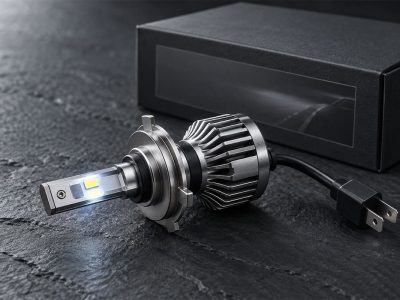
If you frequently transit Serbia, there is also electronic payment, ENP (Elektronska Naplata Putarine): a TAG device mounted on the windshield that lets you drive through dedicated lanes without stopping at the toll gate, with a discount of about 6% compared to the standard rate. The TAG can be purchased from JP Putevi Srbije points of sale and authorized distributors (gas stations, post offices, AMSS), works on a prepaid or postpaid basis and, through the regional Toll4All platform, can also be used in Montenegro, North Macedonia, Croatia or Republika Srpska.
Vehicle categories for paying the Serbia vignette
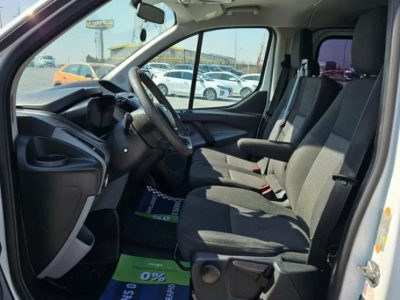
To pay the Serbia vignette, you will need to classify your vehicle into one of the five categories set by the Serbian authorities: Ia (motorcycles) and I–IV. Depending on its category and the kilometers traveled on the motorway, you will have to pay a certain amount.
You can find the details for each category in the table:
| Category I | two-axle vehicles with a height of up to 1.3 m (at the front axle) – cars and vehicles up to 3,500 kg; motorcycles, tricycles and ATVs form the separate category Ia, with rates of about half of category I |
| Category II | vehicles with or without a trailer, with a height of up to 1.3 m (at the front axle of the towing vehicle), with more than two axles – cars with a trailer |
| Category III | vehicles with a height of more than 1.3 m (at the front axle), with two or three axles – vans, coaches, two- or three-axle trucks |
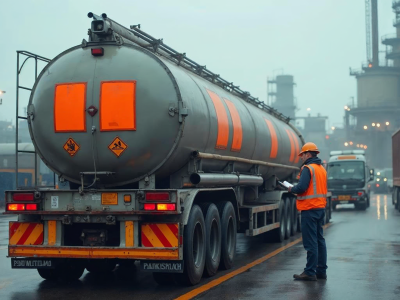
| Category IV | vehicles with a height of more than 1.3 m (at the front axle of the towing vehicle), with more than three axles – all vehicles with more than three axles |
How much is the road toll in Serbia?
You can estimate the road toll for Serbia using the calculator on the official website of Serbia’s road operator, here, where you’ll also find other additional information for your needs. The rates below are the official ones published by JP Putevi Srbije, in effect since July 1, 2026, for the routes most often used by Romanian drivers:
- A1/E-75: BEOGRAD (Stara Pazova) – NOVI SAD
Category I, 340 dinars (approx. 3 euros)
Category II, 510 dinars (approx. 4.50 euros)
Category III, 1,020 dinars (approx. 9 euros)
Category IV, 2,040 dinars (approx. 17.50 euros)
- A1/E-75: BEOGRAD (Stara Pazova) – SUBOTICA (Horgoš – Belgrade route)
Category I, 850 dinars (approx. 7.50 euros)
Category II, 1,270 dinars (approx. 11 euros)
Category III, 2,540 dinars (approx. 22 euros)
Category IV, 5,090 dinars (approx. 43.50 euros)
- A1/E-75: BEOGRAD – NIŠ (Niš jug)
Category I, 1,180 dinars (approx. 10.50 euros)
Category II, 1,770 dinars (approx. 15.50 euros)
Category III, 3,540 dinars (approx. 30.50 euros)
Category IV, 7,080 dinars (approx. 60.50 euros)
- A3/E-70: BEOGRAD (Šimanovci) – ŠID
Category I, 520 dinars (approx. 4.50 euros)
Category II, 780 dinars (approx. 7 euros)
Category III, 1,560 dinars (approx. 13.50 euros)
Category IV, 3,120 dinars (approx. 27 euros)
- A1/E-75: NIŠ (Niš jug) – PREŠEVO (toward North Macedonia)
Category I, 880 dinars (approx. 8 euros)
Category II, 1,310 dinars (approx. 11.50 euros)
Category III, 2,630 dinars (approx. 22.50 euros)
Category IV, 5,260 dinars (approx. 45 euros)
- A4/E-80: NIŠ (Niš istok) – DIMITROVGRAD (toward Bulgaria)
Category I, 590 dinars (approx. 5.50 euros)
Category II, 890 dinars (approx. 8 euros)
Category III, 1,780 dinars (approx. 15.50 euros)
Category IV, 3,570 dinars (approx. 30.50 euros)
! 1 euro is approximately 117 dinars
For more details about the Serbia vignette, visit here.
Our road toll payment solutions
On our website, you’ll find up-to-date information on the road toll payment systems of all countries across Europe, so you can set off safely without worrying about payments.
At the same time, CargoTrack provides professional, extremely fast supply and installation of road toll payment devices in Hungary, Bulgaria OR Poland, so you can frequently transit these countries and pay the related tolls automatically through the HU-GO, BGTOLL and e-TOLL systems.
And to make sure that your fleet management is efficient, we recommend the eTMS system, which will help you improve your business performance and build a responsible team.
Frequently asked questions about road tolls in Serbia
Is there a vignette in Serbia?
No. Serbia has not introduced any vignette: the road toll (putarina) is paid directly at the motorway toll gates, in a closed system — you receive a magnetic card on entry and pay on exit, based on the distance traveled and the vehicle category.
How is the road toll paid in Serbia?
At the toll stations, in dinars or euros, in cash or by bank card (Visa, Mastercard, Maestro). Hauliers who transit frequently can use the TAG device for electronic toll payment (ENP), with non-stop passage through dedicated lanes and a discount of about 6%.
On which routes is the road toll charged in Serbia?
The toll network exceeds 930 km: A1/E75 Horgoš–Belgrade–Niš–Preševo, A3/E70 Belgrade–Šid, A4/E80 Niš–Dimitrovgrad (toward Bulgaria) and the A2 “Miloš Veliki” motorway Belgrade–Čačak–Požega, managed by JP Putevi Srbije.
What are the vehicle categories for toll payment in Serbia?
Category Ia: motorcycles (about half of the category I rate); I: cars up to 3,500 kg with a height under 1.3 m; II: vehicles with a trailer or more than two axles; III: vehicles over 1.3 m high with 2–3 axles; IV: all vehicles with more than three axles.
Does the Serbian TAG work in other countries too?
Yes. Through the regional Toll4All platform, the TAG device purchased in Serbia can also be used in Montenegro, North Macedonia, Croatia and Republika Srpska.