

If the Land of Tulips is your destination, or you’re passing through it on the way to another final destination, you need to keep in mind all the details about road tolls in the Netherlands — especially since the rules changed radically on July 1, 2026, with the switch to per-kilometer charging for trucks.
Road Tolls in the Netherlands in 2026: What Has Changed
On July 1, 2026, the Netherlands dropped the Eurovignette and introduced vrachtwagenheffing — a per-kilometer toll for trucks, similar to the toll systems in Germany and Belgium.
- Passenger cars: roads and highways remain free. The Westerschelde Tunnel has been free for cars and motorcycles since December 30, 2024; the only remaining toll for passenger cars is at the Kiltunnel (2 euros).
- Trucks over 3.5 tons (N2/N3): pay per kilometer on almost all highways and on some provincial and municipal roads. An on-board unit (OBU) from an authorized service provider is mandatory.
- Rates: from about 2 euro cents/km for zero-emission trucks up to 48.7 euro cents/km for EURO 0 over 32 tons; a EURO 6 truck over 32 tons pays about 20 euro cents/km.
- Eurovignette: no longer valid in the Netherlands; it remains mandatory only in Sweden and Luxembourg.
With the introduction of the per-kilometer toll, the vehicle tax for trucks (motorrijtuigenbelasting) was reduced to the minimum allowed by EU law, and the net revenue is reinvested in innovation and decarbonization of the road transport sector.
Interestingly, the Dutch live a largely eco-friendly lifestyle and often choose public transportation, scooters, and bicycles, which benefits traffic in the Netherlands.

In this article, you’ll learn everything you need to know about road tolls in the Netherlands — including the new per-kilometer toll for trucks (vrachtwagenheffing) — and how you can get around the Land of Tulips.
Free Netherlands Vignette for Passenger Cars
A huge advantage of choosing the Netherlands as a tourist destination is that passenger cars don’t pay for a Netherlands vignette and drive completely free of charge on public roads, highways, and expressways in the Netherlands.
The only remaining exception for passenger cars is the Kiltunnel (Dordtse Kil). The Westerschelde Tunnel became free for cars and motorcycles on December 30, 2024 — only vehicles taller than 3 meters still pay there.
So if you’re driving your own car in the Netherlands, you don’t need to worry about Netherlands road tolls.
Netherlands Road Toll for Trucks: Vrachtwagenheffing
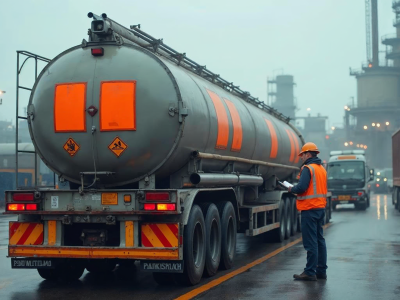
Trucks, however, don’t enjoy the same privileges. Note: from July 1, 2026, the Eurovignette is NO longer valid in the Netherlands. It has been replaced by vrachtwagenheffing — a per-kilometer toll that applies to all trucks (categories N2 and N3) with a technically permissible maximum weight of over 3.5 tons, both Dutch and foreign.
The Eurovignette remains valid only in Sweden and Luxembourg. The Netherlands left the system on July 1, 2026, and Denmark had also dropped it earlier, switching to its own per-kilometer toll.
How Do You Pay the Road Toll for Trucks in the Netherlands?
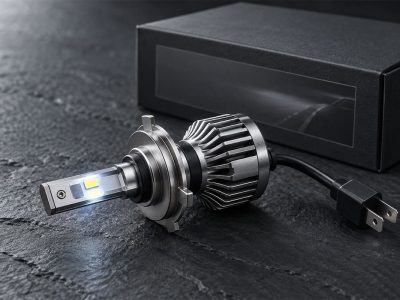
For vrachtwagenheffing you no longer buy a vignette: you need a contract with an authorized toll service provider and an on-board unit (OBU) that records the kilometers driven on the tolled network.
The On-Board Unit (OBU) for the Netherlands
The OBU (known locally as a “tolkastje”) must be installed and activated before driving on the Dutch tolled network — almost all highways, plus a number of provincial and municipal roads.
The toll is calculated automatically based on the kilometers driven, and the invoice comes through the service provider you have a contract with — many providers cover other European toll systems with the same OBU.
An important point: driving on the tolled network without a working OBU is punished with a fine, so make sure the device is installed and active before entering the Netherlands.
The list of authorized providers and all the official details can be found at vrachtwagenheffing.nl.
The per-kilometer rate depends on your vehicle’s data: technically permissible maximum weight, EURO emission class, and CO2 class.
If you also drive through Sweden or Luxembourg, the Eurovignette is still required there and is still bought online, for periods ranging from one day to one year.
Don’t forget to make sure you complete the payment and receive the payment confirmation.
The Eurovignette — Valid Only for Sweden and Luxembourg
The electronic Eurovignette for Sweden and Luxembourg is easiest to buy online, at eurovignettes.eu, before entering those countries.
Eurovignette rates depend on the EURO class, CO2 class, and number of axles: from 8 euros per day for a EURO 6 truck with 1–3 axles, up to 24 euros per day for older vehicles with 4 or more axles.
How Much Is the Road Toll in the Netherlands for Trucks?
As for the price you’ll pay for road tolls in the Netherlands in 2026, it is calculated per kilometer and varies depending on the truck’s technically permissible maximum weight, EURO class, and CO2 class.
Vrachtwagenheffing rates start at about 2 euro cents/km for zero-emission trucks and go up to 48.7 euro cents/km for the oldest and heaviest vehicles (EURO 0, over 32 tons).
A typical EURO 6 truck pays between 11.3 euro cents/km (3.5–12 tons) and 20.1 euro cents/km (over 32 tons), with the average rate across the network at about 19 euro cents/km.
Electric and hydrogen trucks get the lowest rates, and electric vehicles weighing up to 4,250 kg are fully exempt from the toll.
The complete official per-kilometer rate tables are published on vrachtwagenheffing.nl.

How Do Charging and Enforcement Work?
The kilometers driven on the tolled network are recorded automatically by the on-board unit (OBU), and the amount due is invoiced through your toll service provider.
There is no longer a vignette-style validity period: you pay exactly for what you drive, kilometer by kilometer, only on roads included in the tolled network.
So before you leave, make sure the OBU is active and that your vehicle’s data (weight, EURO class, CO2 class) is correctly declared to your provider.
Enforcement is done automatically by installed cameras or by the police during checks.
Other Netherlands Road Tolls for Trucks and Cars
In addition to per-kilometer charging for trucks, there are two toll tunnels in the Netherlands. The good news: since December 30, 2024, the Westerschelde Tunnel has been free for cars and motorcycles — only vehicles taller than 3 meters still pay.
Costs vary by vehicle type, as follows:
Prices Westerschelde Tunnel
| Vehicle category | Price |
| Motorcycles and passenger cars (under 3 m tall) | Free |
| Vehicles over 6 m long and under 3 m tall (caravans) | Free |
| Vehicles up to 12 m long and over 3 m tall | 18.20 Euro (11 Euro with t-tag) |
| Vehicles over 12 m long and over 3 m tall (trucks) | 25 Euro (15 Euro with t-tag) |
Prices Dordtse Kil Tunnel
| Vehicle category | Price |
| Cars up to 2.3 meters tall | 2 Euro (1.45 Euro with a subscription) |
| Vehicles over 2.3 meters tall | 5 Euro (3.80 Euro with a subscription) |
Fines for Not Paying the Road Toll in the Netherlands
Driving on the tolled network without a working on-board unit or with incorrectly declared data is punished with a fine. Checks are automatic, using cameras and gantries, so it’s much safer to have the OBU installed and active before you set off.
Another thing to be careful about is that the highway speed limit for trucks is 80 km/h, and speeding fines in the Netherlands are among the highest in Europe.
Numerous cameras are installed on the highways, both for road toll checks and for speed, so you need to be very careful.
Our road toll payment solutions
If you’re a haulier and need help paying road tolls, CargoTrack provides top-quality vignette payment services, and information on road toll payment in European countries.
If you drive through Hungary, Bulgaria or Poland, we give you the option of installing professional equipment on your vehicle to make your work easier and streamline the transport process.
What’s more, CargoTrack provides services and consultancy for every important technical or administrative aspect of your business. On top of that, we provide the eTMS system for managing your entire business, to help you improve the way you run your company.
Frequently Asked Questions About Road Tolls in the Netherlands
Do passenger cars pay road tolls in the Netherlands?
No. Roads and highways in the Netherlands are free for passenger cars; the only remaining toll is at the Kiltunnel (2 euros). The Westerschelde Tunnel has been free for cars and motorcycles since December 30, 2024.
What is vrachtwagenheffing?
The per-kilometer toll for trucks introduced in the Netherlands on July 1, 2026, replacing the Eurovignette. It applies to all trucks in categories N2 and N3 with a technically permissible maximum weight of over 3.5 tons, both Dutch and foreign.
How much is the per-kilometer toll in the Netherlands?
From about 2 euro cents/km for zero-emission trucks up to 48.7 euro cents/km for EURO 0 over 32 tons. A EURO 6 truck over 32 tons pays about 20 euro cents/km.
How is the road toll for trucks paid in the Netherlands?
Through a contract with an authorized toll service provider and an on-board unit (OBU) installed and activated before driving on the tolled network. Driving without a working OBU is punished with a fine. List of providers: vrachtwagenheffing.nl.
Is the Eurovignette still valid in the Netherlands?
No, since July 1, 2026, the Eurovignette is no longer valid in the Netherlands. It remains mandatory only in Sweden and Luxembourg, where it is bought online at eurovignettes.eu, with rates between 8 and 24 euros per day.