

In short: For passenger cars, driving on Sweden’s roads is free – there is no vignette to pay. Trucks over 12 tons, however, need a Eurovignette, which since March 25, 2025 costs between 2 and 24 euros per day, depending on the CO2 emission class, EURO standard and number of axles, and is bought online at eurovignettes.eu. Tolls for the Öresund, Motala and Sundsvall bridges are paid separately, plus the congestion taxes in Stockholm and Gothenburg, which also apply to foreign-registered vehicles.
In 2026, Sweden is among the EU member states that have implemented the Eurovignette system, which serves as the Sweden vignette and covers the charges for driving on the country’s roads.
Road tolls in Sweden in 2026: what has changed
If you transit Sweden in 2026, here is a quick summary of what’s new compared to previous years:
- The Eurovignette remains valid only in Sweden and Luxembourg. Denmark left the system on January 1, 2025, and the Netherlands on July 1, 2026 – both switched to per-kilometer tolling for trucks. Unused Dutch Eurovignettes can be refunded.
- Rates by CO2 class. Since March 25, 2025, the Eurovignette price depends on the CO2 emission class (1–5), in addition to the EURO standard and the number of axles: from 2 euros/day for zero-emission trucks up to 24 euros/day for EURO 0 with at least 4 axles.
- The Svinesund Bridge is free since March 15, 2021 – if you enter Norway on the E6, you no longer pay a bridge toll on the Swedish side.
- The Öresund Bridge has new rates as of May 18, 2026: 520 DKK (about 70 euros) for a passenger car at the standard rate, or 182 DKK with the ØresundGO subscription.
- The congestion taxes in Stockholm (11–45 SEK per passage, maximum 135 SEK/day in peak season) and Gothenburg (9–22 SEK per passage, maximum 60 SEK/day) also apply to foreign-registered vehicles, including trucks.
Sweden and Luxembourg are the only two countries left in the joint Eurovignette system. Denmark left the system on January 1, 2025, and Netherlands on July 1, 2026, both switching to per-kilometer tolling for trucks.
These countries offer a considerable advantage to small passenger cars, which are not required to pay for a Sweden vignette, and driving on the roads is free. However, all vehicles are subject to tolls for certain bridges in Sweden.
Buying a Sweden vignette in the form of the Eurovignette is intended for heavy vehicles with a maximum authorized weight of at least 12 tons. The exception here is passenger transport vehicles (coaches, buses), which are not required to buy a Sweden vignette.
In this article, we present everything you need to know about driving on Sweden’s roads.

Free Sweden vignette for passenger cars
Good news for tourists in Sweden: with the implementation of the Eurovignette, the Sweden vignette for passenger cars and small vehicles is free, and you don’t have to pay to drive on Sweden’s roads and motorways
However, you need to watch out for the road tolls charged for bridges, which we will discuss later in the article.
Sweden vignette for trucks – paid
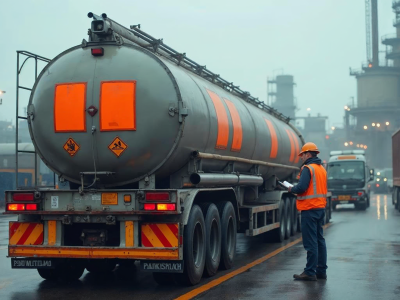
For heavy vehicles weighing over 12 tons, you need to buy the Eurovignette.
This is an electronic vignette, so you don’t have to stick it on the windshield. However, you also need to factor in the bridge tolls, which are not included in the price charged for the Sweden vignette.
Below, we explain how you can buy the Sweden vignette online, its price and the price of the bridge tolls.
How do you buy a Sweden vignette online?
A big advantage of paying for the Sweden vignette is that it can be bought online, and the process is extremely simple and fast.
The purchase is made through the official Eurovignette website: eurovignettes.eu.
To complete the Eurovignette purchase, you will need to enter the following details:
- the country where your vehicle is registered;
- the license plate number, exactly as shown on the registration certificate, including all spaces;
- number of axles;
- the vehicle’s EURO emission standard and CO2 emission class (a criterion introduced on March 25, 2025).
Note! Payment is made in euros!
What’s more, pay close attention to the payment confirmation and the accuracy of the data you entered, to make sure there were no errors and that you will have no problems transiting Sweden.
How much does a Sweden vignette cost?
Since March 25, 2025, Eurovignette rates are no longer fixed, but depend on the CO2 emission class, the EURO standard and the number of axles. For one day, the price ranges between 2 euros (zero-emission vehicles, CO2 class 5) and 24 euros (EURO 0, CO2 class 1, with at least 4 axles). A typical EURO 6 truck (CO2 class 1) pays 8 euros/day with 1-3 axles, or 13 euros/day with 4 or more axles.
The validity period can be chosen up to a maximum of one year. The most expensive annual option is for EURO 0 vehicles (CO2 class 1) with at least 4 axles – 2,404 euros. A EURO 6 vehicle (CO2 class 1) with 1-3 axles pays 764 euros per year, while zero-emission trucks (CO2 class 5) pay only 191 euros (1-3 axles) or 319 euros (at least 4 axles).
To find out what price you will have to pay for your vehicle, click here.

Other road tolls in Sweden
As in other countries, there are other tolls that apply to all vehicles driving on Sweden’s roads.
In this case, we are talking about the Öresund Bridge (between Sweden and Denmark) and the bridges with infrastructure charges in Motala and Sundsvall. Note: the Svinesund Bridge, on the border with Norway, is no longer tolled – the toll was abolished on March 15, 2021, and the crossing is now free.
For the Öresund Bridge, the standard rate for a passenger car (max. 6 m) is 520 DKK (approximately 70 euros) per crossing, according to the rates in effect from May 18, 2026. With the ØresundGO subscription, the price for passenger cars drops to 182 DKK per crossing. Up-to-date rates for each vehicle category can be found here. The Öresund link is the longest combined road and rail crossing in Europe (about 16 km, including the bridge, the artificial island and the tunnel) and connects Sweden with Denmark.
In Sweden, infrastructure charges (broavgift) are levied for the bridges in Motala and Sundsvall, applied around the clock, every day, to all vehicles:
| Bridge | Cars | Trucks |
| Motala Bridge | 5 SEK | 11 SEK |
| Sundsvall Bridge | 9 SEK | 20 SEK |
There are no physical toll booths for the Motala and Sundsvall bridges: vehicles are registered automatically by cameras, and the invoice is sent to the owner – Transportstyrelsen handles payment, including for foreign-registered vehicles (via Epass24). The Öresund Bridge toll is paid at the toll stations, online or through a subscription.
Note! The cities of Stockholm and Gothenburg charge a congestion tax (trängselskatt) on weekdays, roughly between 06:00 and 18:30. In Stockholm, the tax is 11–45 SEK per passage, with a daily cap of 135 SEK in peak season and 105 SEK in the off-season. In Gothenburg, the tax is 9–22 SEK per passage, with a cap of 60 SEK per day. The tax also applies to foreign-registered vehicles.
Our road toll payment solutions
If you are about to transit a European country, we provide information in our articles on the road toll payment system of every country in Europe.
If you frequently transit Hungary, Bulgaria OR Poland, we provide installation and supply of top-quality road toll payment devices for all 3 countries.
What’s more, because we know how important it is to have good management of your vehicle fleet, we offer eTMS – the number 1 service for making your company’s operations more efficient.
Have you decided to improve your fleet management and need help? Contact us now!
Frequently asked questions
Is a vignette mandatory in Sweden for passenger cars?
No. For passenger cars and small vehicles, driving on Sweden’s roads and motorways is free. Only the tolls for certain bridges and, in Stockholm and Gothenburg, the congestion taxes have to be paid.
How much does the Eurovignette cost for trucks in Sweden?
Since March 25, 2025, the daily rate ranges between 2 euros (zero-emission vehicles, CO2 class 5) and 24 euros (EURO 0, CO2 class 1, with at least 4 axles), depending on the CO2 emission class, the EURO standard and the number of axles. A typical EURO 6 truck (CO2 class 1) pays 8 euros/day with 1-3 axles or 13 euros/day with 4 or more axles, and the annual option ranges from 191 euros to 2,404 euros.
How do I pay for the Sweden vignette online?
The Eurovignette is bought online on the official website eurovignettes.eu, and payment is made in euros. When purchasing, you must enter the country of registration, the registration number exactly as on the registration certificate, the number of axles, the EURO standard and the vehicle’s CO2 emission class.
Which vehicles have to pay for the vignette in Sweden?
The Eurovignette is mandatory for heavy vehicles with a maximum authorized weight of at least 12 tons. The exception is passenger transport vehicles (coaches, buses), which do not have to buy a vignette.
How much does it cost to cross the Öresund Bridge between Sweden and Denmark?
According to the rates in effect from May 18, 2026, the standard rate for a passenger car (max. 6 m) is 520 DKK (approximately 70 euros) per crossing. With the ØresundGO subscription, the price for passenger cars drops to 182 DKK per crossing.
Are there congestion taxes in Swedish cities?
Yes, Stockholm and Gothenburg charge a congestion tax (trängselskatt) on weekdays, roughly between 06:00 and 18:30. In Stockholm the tax is 11–45 SEK per passage, with a daily cap of 135 SEK in peak season and 105 SEK in the off-season; in Gothenburg the tax is 9–22 SEK per passage, with a cap of 60 SEK per day. The tax also applies to foreign-registered vehicles.